
Looking for a mountain hike that offers snowy peaks and bright blue mountain lakes?
Big Pine Lakes might be exactly what you need. This trail draws hikers from across the country with its mix of challenge and reward.
The route climbs through wilderness areas to reach multiple lakes nestled among granite peaks.
You’ll pass through forests, cross mountain streams, and climb to elevations where the air feels crisp. The scenery shifts with every mile.
In this blog, I’ll show you everything you need to know about hiking Big Pine Lakes.
From permit requirements to packing lists, you’ll find everything you need to help plan your trip and make the most of this experience.
What are Big Pine Lakes, and Why are It So Popular?
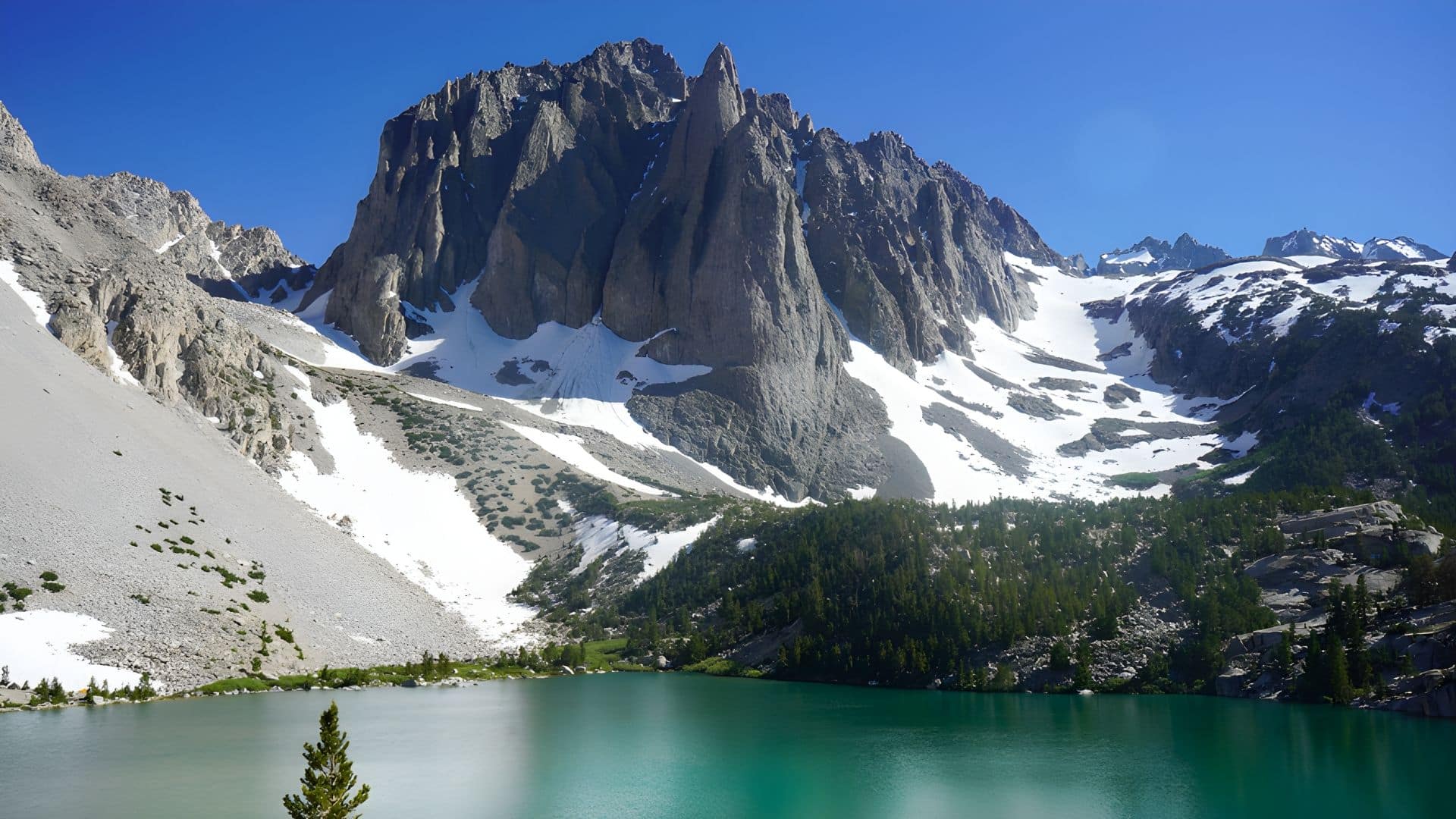
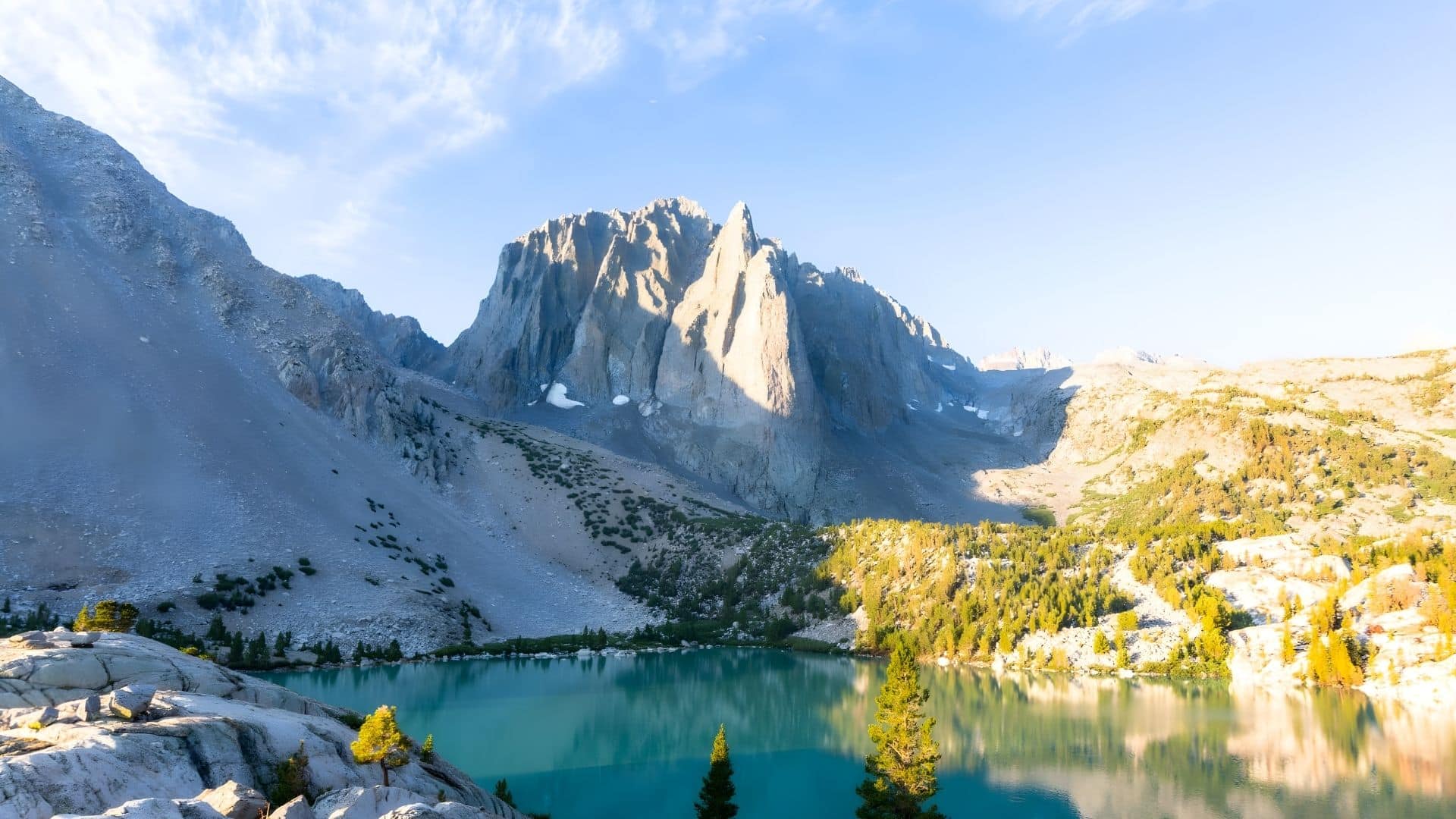
Big Pine Lakes sit in the eastern Sierra Nevada mountains of California. The area features seven alpine lakes surrounded by tall granite peaks and glaciers.
This trail takes you through the John Muir Wilderness. Hikers can access multiple lakes at different elevations. The main destination is usually the first or second lake.
Why Is It So Popular?
- Access to Palisade Glacier: You can view California’s largest glacier from the trail. The glacier creates a dramatic backdrop for photos and exploration.
- Multiple Lake Options: Seven different lakes mean you can choose your destination. Each lake offers its own character and level of difficulty to reach.
- High Alpine Beauty: Clear lakes, rugged ground, and distant peaks make the landscape unforgettable. The high elevation provides clear air and excellent visibility year-round.
Big Pine Lakes Trail Overview
The Big Pine Lakes trail provides a well-defined route to alpine lakes in the Sierra Nevada. This overview covers essential trail information and what to expect.
Overview of The Big Pine Lakes TrailHere’s the overview of what you need to know Trail Stats:
Trailhead Access: The trail starts at Glacier Lodge Road off Highway 168 near Big Pine, California. Parking fills up by 8 AM on weekends. Vault toilets are available, but no water sources at the parking area. Trail Type and Conditions: This is an out-and-back route on the same path. The surface mixes dirt trails, rocky sections, and granite slabs. Signage marks major junctions clearly, but becomes less obvious above Second Lake. Notable Features Along the Route: 1. Historic cabin ruins sit at mile 2 from the early 1900s. The trail follows North Fork Big Pine Creek for most of the route. Water crossings occur frequently, but most have logs or stepping stones for safe passage. |
Do You Need a Permit to Hike Big Pine Lakes?
Source: Bonjour Becky
Yes, you need a permit to hike to Big Pine Lakes if you plan to camp overnight in the wilderness.
Day hikers do not need a permit to access the trail. You can hike to any of the lakes and return the same day without reservations.
Overnight permits are required from May through October. You can get these through the Inyo National Forest reservation system or at the local ranger station.
Permits have a quota system during peak season. It’s best to reserve your spot early, especially for summer weekends when the trail gets busy.
How Hard Is the Big Pine Lakes Hike?
The Big Pine Lakes hike is rated as moderate to difficult. The effort comes from long miles, steep climbing, and the thin air at higher elevations.
Key Difficulties:
✓ Higher elevations reduce oxygen levels and often make your steps feel slower and heavier.
✓ Long uphill stretches often need steady breaks so you can relax and recharge properly.
✓ Uneven stones along the route require careful steps so you don’t lose balance or strain joints.
✓ Sun exposure intensifies at higher elevations with little natural shade for relief.
✓ Stream crossings can be tricky when water levels are high in the early season.
Difficulty Rating: ★★★★☆ (4 out of 5 stars)
Most fit hikers can complete this trail with proper preparation and pacing. Start early, bring plenty of water, and take breaks to enjoy the scenery.
Best Time to Visit Big Pine Lakes
Source: Explore With Alec
The best time to visit Big Pine Lakes depends on trail conditions, weather, and your comfort level with snow or crowds.
Late June to Early July:Snow melts at lower elevations, but upper sections may still have patches. Wildflowers bloom, and waterfalls run strong with spring runoff.
Mid-July to August: Peak season offers clear trails, warm weather, and full lake access. Expect crowds on weekends and limited parking at the trailhead.
September to Early October: Fall brings fewer visitors, cooler temperatures, and changing colors in the valleys. Days are shorter, so start your hike early.
Winter to Early Spring: Snow covers the trail, making it inaccessible for most hikers. Only experienced winter mountaineers with proper gear should attempt this season.
What to Pack for Big Pine Lakes?
Packing the right gear makes your Big Pine Lakes hike safer and more comfortable. Here’s a checklist of essentials to bring along.
Hiking Essentials Checklist:
□ Sturdy hiking boots with good ankle support and traction.
□ Water bottles or hydration system with at least 2 to 3 liters of capacity.
□ Sun protection, including sunscreen, a hat, and sunglasses.
□ Layered clothing for changing temperatures and weather conditions.
□ Trail snacks and lunch with high-energy foods.
□ First aid kit with blister treatment and pain relievers.
□ Navigation tools like a map, a compass, or a GPS device.
Check weather forecasts before you leave and adjust your pack accordingly. Conditions can change quickly in the mountains, so prepare for rain or cold.
Wrapping It Up
To summarize, Big Pine Lakes offers an accessible yet challenging mountain experience for hikers ready to test their limits.
The combination of natural features and varying terrain makes each trip memorable and worthwhile.
Success on this trail comes down to preparation and respect for the environment.
Check conditions before you go, pack smart, and know your limits. The mountains reward those who come prepared with care and planning.
Ready to plan your Big Pine Lakes hike? Start by securing your permits if you plan to camp overnight.
Have questions about trail conditions or gear recommendations? Share your questions or thoughts in the comments below!