Planning a trip to France but worried about missing the real gems beyond Paris?
While millions flock to the Eiffel Tower, smart travelers know France’s true magic lies in its diverse cities.
From Mediterranean ports where bouillabaisse steams in waterfront cafés to Alpine towns reflecting in crystal lakes, each destination offers something completely different.
What if you could sip world-class wine in Bordeaux’s UNESCO streets, surf Atlantic waves in chic Biarritz, or walk through fairy-tale canals in Colmar? These cities provide authentic French experiences that most tourists never see.
Ready to go beyond the typical tourist path? Let’s explore France’s most captivating cities that will change your trip from ordinary to unforgettable.
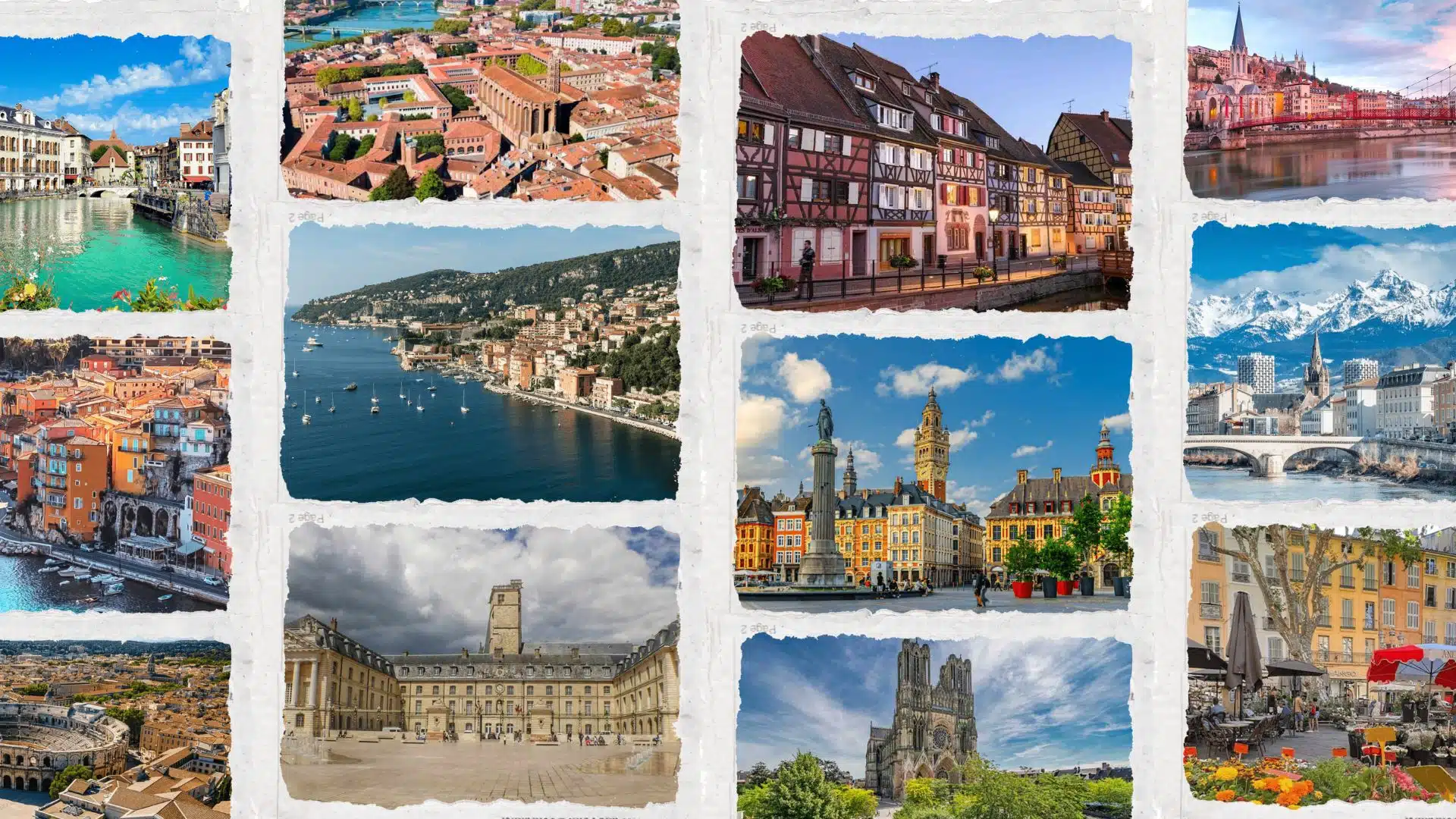
18 Best Cities to Visit in France for Your Perfect Trip
From Mediterranean ports to Alpine lakes, uncover France’s most captivating destinations that offer unique experiences beyond the typical tourist trail.
1. Marseille: The Soul of the Mediterranean
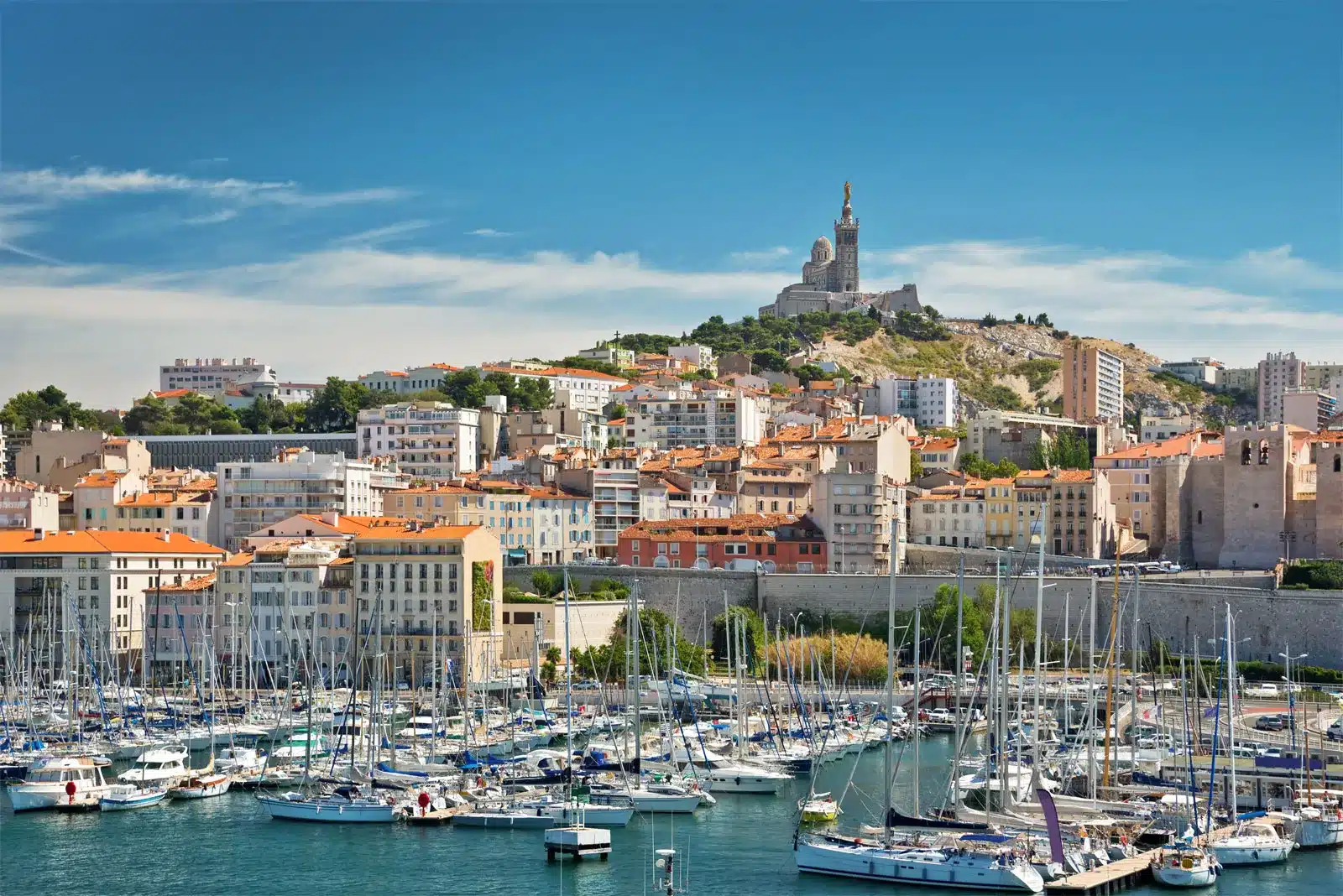
France’s oldest city pulses with Mediterranean energy, multicultural neighborhoods, and breathtaking coastal landscapes. This vibrant port city offers an authentic slice of southern French life.
Wander through Le Panier district’s narrow streets, sample bouillabaisse at waterfront restaurants, and experience the melting pot of cultures that makes Marseille unique. The dramatic limestone cliffs and turquoise waters of the Calanques provide perfect hiking and swimming opportunities just minutes from the bustling city center.
- Why Visit: Historic port, multicultural flair, and rugged calanques for nature lovers.
- Must-Do: Explore the Vieux-Port, visit Notre-Dame de la Garde basilica, and take boat trips to the Calanques National Park.
- Best For: Culture seekers and nature enthusiasts.
2. Lyon: The Culinary Capital
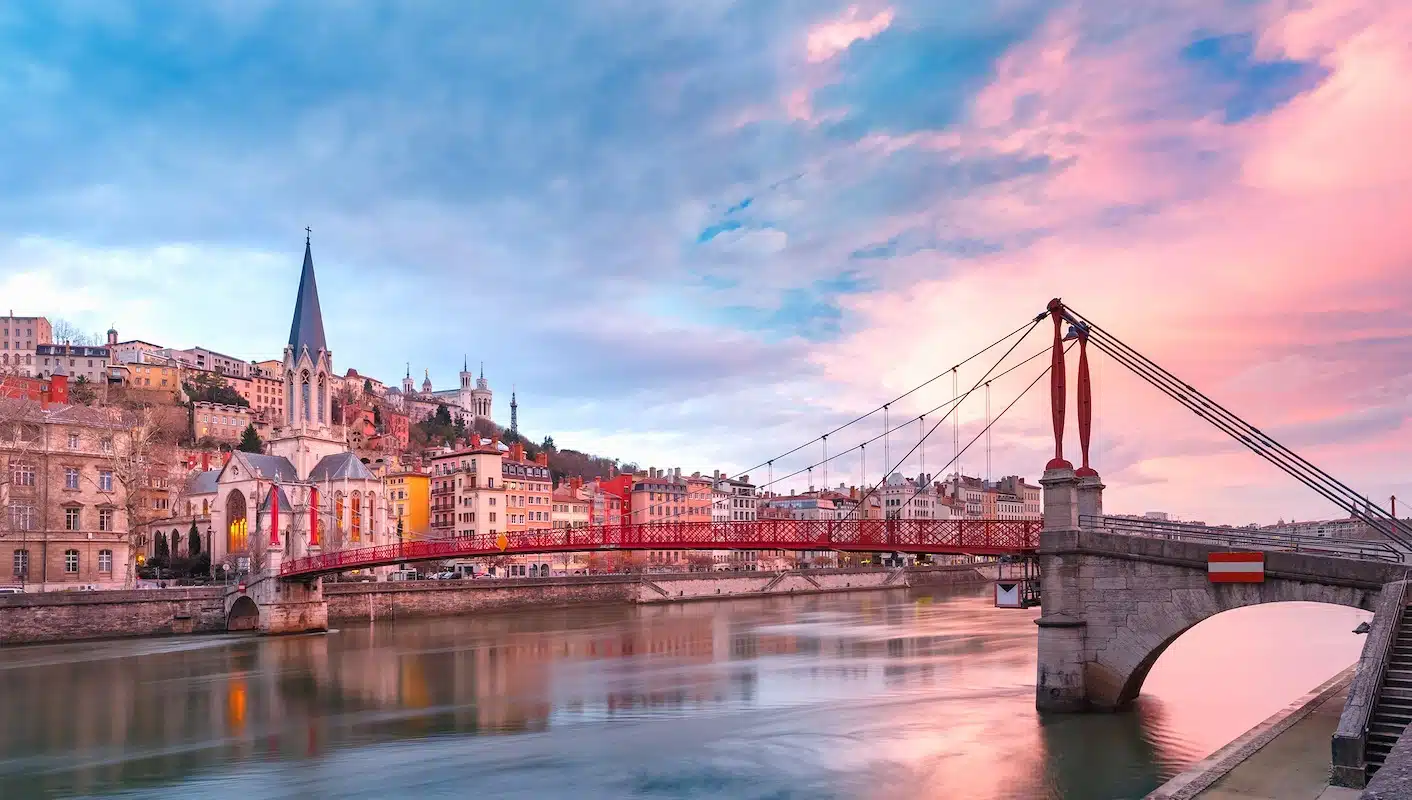
Lyon stands as France’s gastronomic heart, where traditional bouchons serve hearty local dishes alongside Michelin-starred establishments. The Renaissance architecture of Vieux Lyon contrasts beautifully with the modern Confluence district.
Secret passageways called traboules wind through the city, revealing hidden courtyards and silk-weaving history. Don’t miss the Basilica of Notre-Dame de Fourvière for panoramic city views, and explore the vibrant food markets that showcase Lyon’s culinary excellence.
- Why Visit: UNESCO-listed Old Town, vibrant food scene, Rhône and Saône rivers.
- Must-Do: Dine at a traditional bouchon, explore traboules.
- Best For: Foodies and history buffs.
3. Nice: Mediterranean Beauty

The jewel of the French Riviera captivates with its pebble beaches, azure waters, and Belle Époque architecture. The famous Promenade des Anglais stretches along the coastline, perfect for morning walks or sunset views.
Old Town bursts with vibrant markets, narrow streets, and colorful buildings. Museums celebrate Marc Chagall and Henri Matisse, while nearby hilltop villages like Èze offer medieval charm and spectacular Mediterranean vistas.
- Why Visit: Elegant seaside promenades, colorful markets, and nearby hilltop villages.
- Must-Do: Stroll the Promenade des Anglais, visit Old Town’s markets, take day trips to Monaco.
- Best For: Beach lovers and art enthusiasts.
4. Strasbourg: Franco-German Fusion
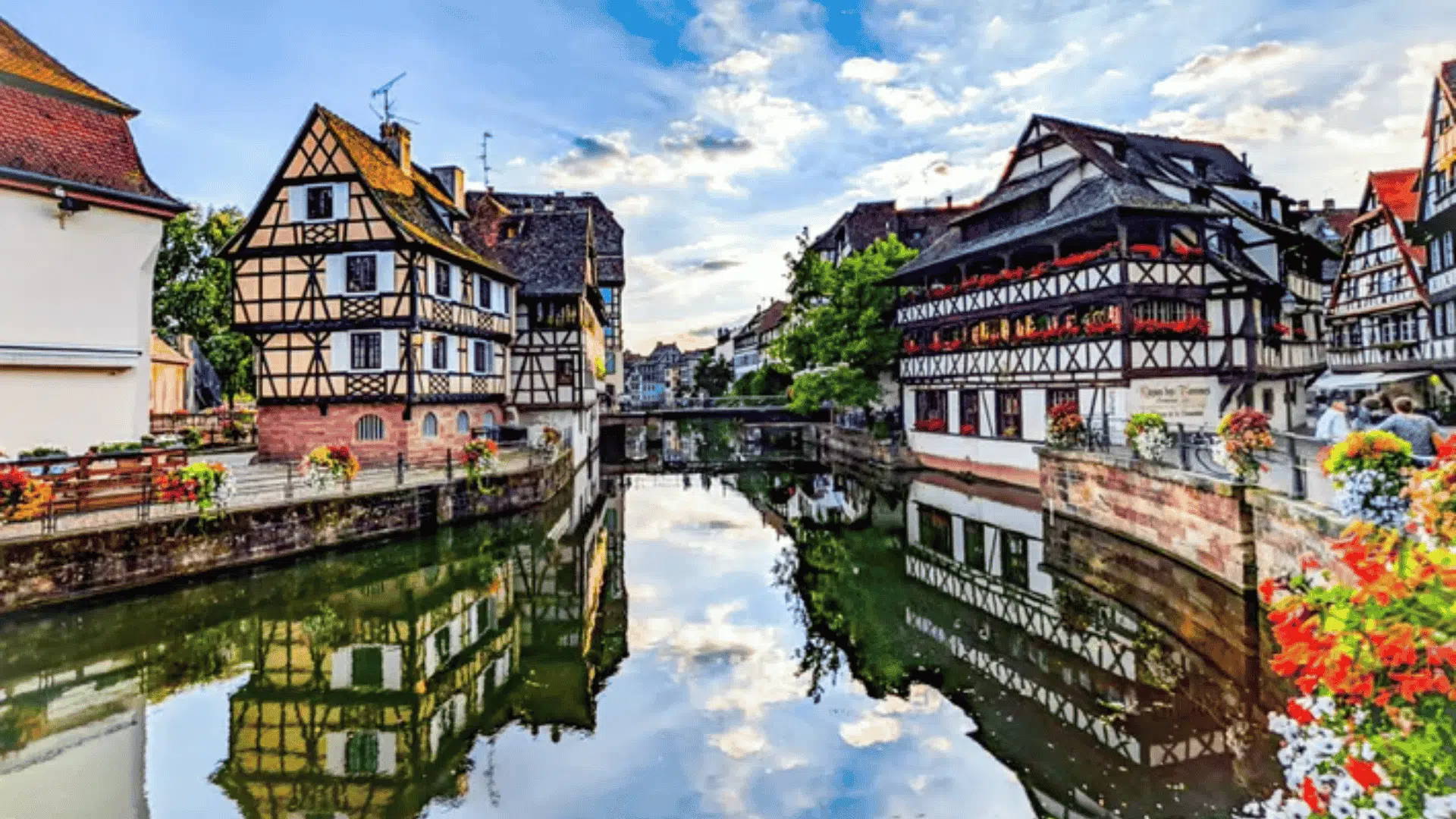
This unique border city blends French and German influences in its architecture, cuisine, and culture. The UNESCO-listed Grande Île features the magnificent Gothic cathedral with its astronomical clock.
The Petite France district enchants with its half-timbered houses, canals, and medieval bridges. During December, Strasbourg transforms into a winter wonderland with one of Europe’s oldest and most beautiful Christmas markets, complete with mulled wine and handcrafted ornaments.
- Why Visit: Canals, half-timbered houses, and fairy-tale Christmas markets.
- Must-Do: Explore Petite France district, visit the Gothic cathedral, cruise the canals.
- Best For: Architecture lovers and Christmas market enthusiasts.
5. Bordeaux: Wine Lover’s Paradise

Bordeaux’s elegant 18th-century architecture earned it UNESCO World Heritage status, while its wine region produces some of the world’s finest vintages. The historic city center features beautiful squares, grand boulevards, and the gorgeous Place de la Bourse reflecting in the Garonne River.
Day trips to nearby vineyards in Saint-Émilion, Médoc, and Graves regions offer tastings and cellar tours. The modern La Cité du Vin museum provides an immersive wine experience.
- Why Visit: Neoclassical beauty meets vineyard tours and wine museums.
- Must-Do: Tour Saint-Émilion vineyards, visit La Cité du Vin museum, walk Place de la Bourse.
- Best For: Wine enthusiasts and architecture admirers.
6. Annecy: The Alpine Venice
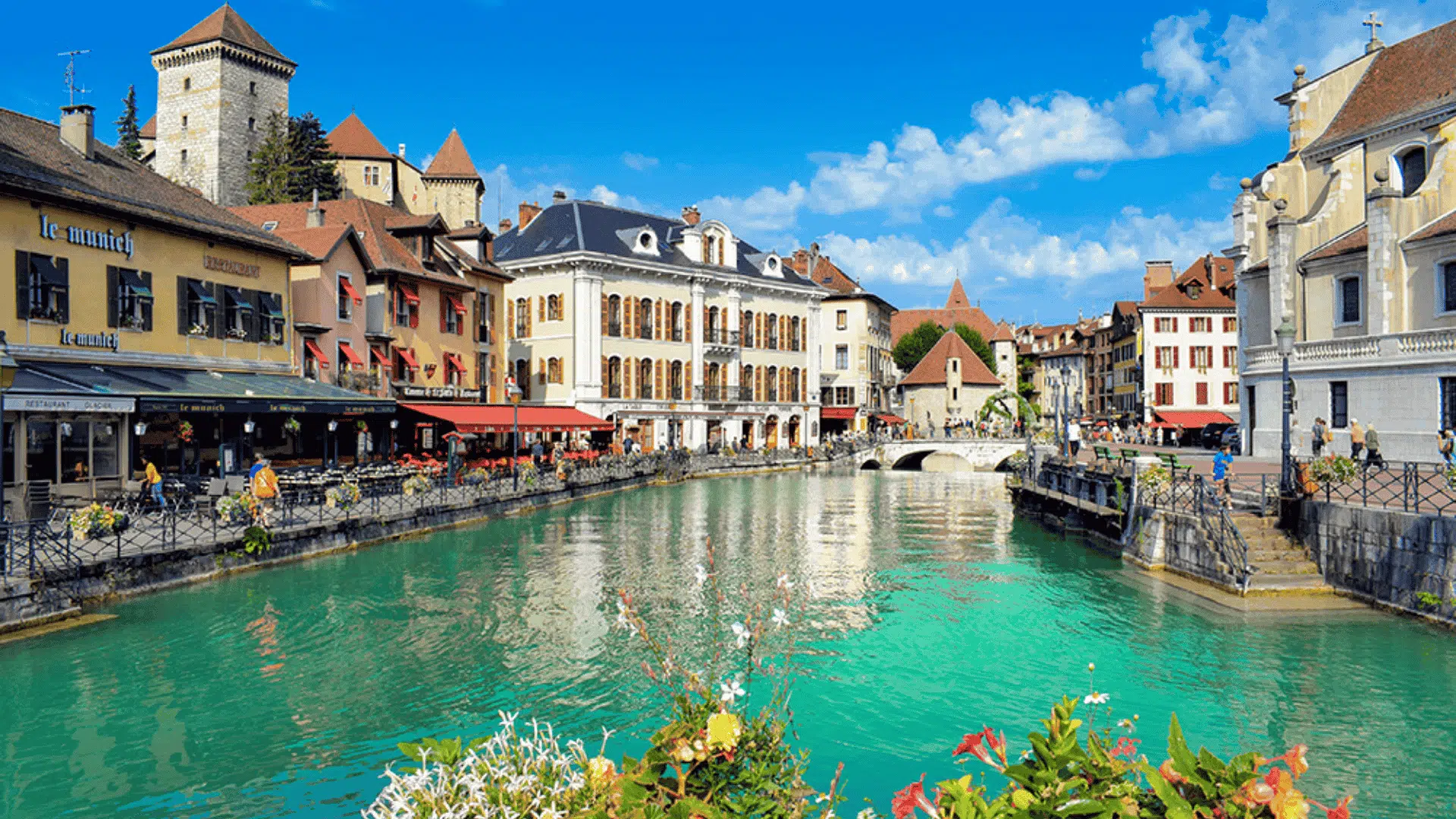
This fairy-tale town sits beside one of Europe’s cleanest lakes, surrounded by Alpine peaks. Canals flow through the medieval Old Town, earning it the nickname “Venice of the Alps.” The 12th-century Palais de l’Isle sits on a triangular island, creating postcard-perfect scenes.
Crystal-clear Lake Annecy offers swimming, boating, and cycling along scenic paths. Nearby mountains provide hiking trails and stunning viewpoints, making Annecy perfect for outdoor adventures year-round.
- Why Visit: Turquoise lake, cobblestone streets, and snow-capped scenery.
- Must-Do: Boat trip on Lake Annecy, explore the Old Town canals, visit Château d’Annecy.
- Best For: Nature lovers and romantic getaways.
7. Aix-en-Provence: Artistic Escape

This sophisticated university town inspired Paul Cézanne and continues to attract artists today. Tree-lined Cours Mirabeau boulevard features smooth cafés, fountains, and 17th-century mansions.
Colorful markets overflow with lavender, olives, and local produce, creating sensory experiences that capture Provence’s essence.
Cézanne’s studio remains preserved as he left it, while hiking trails lead to Montagne Sainte-Victoire, the mountain he painted obsessively. The city’s golden light and relaxed atmosphere make it perfect for creative inspiration.
- Why Visit: Charming fountains, Provençal markets, and Cézanne’s inspiration.
- Must-Do: Follow Cézanne’s footsteps, shop at local markets, and visit Cours Mirabeau.
- Best For: Art lovers and market enthusiasts.
8. Avignon: Papal History in Stone
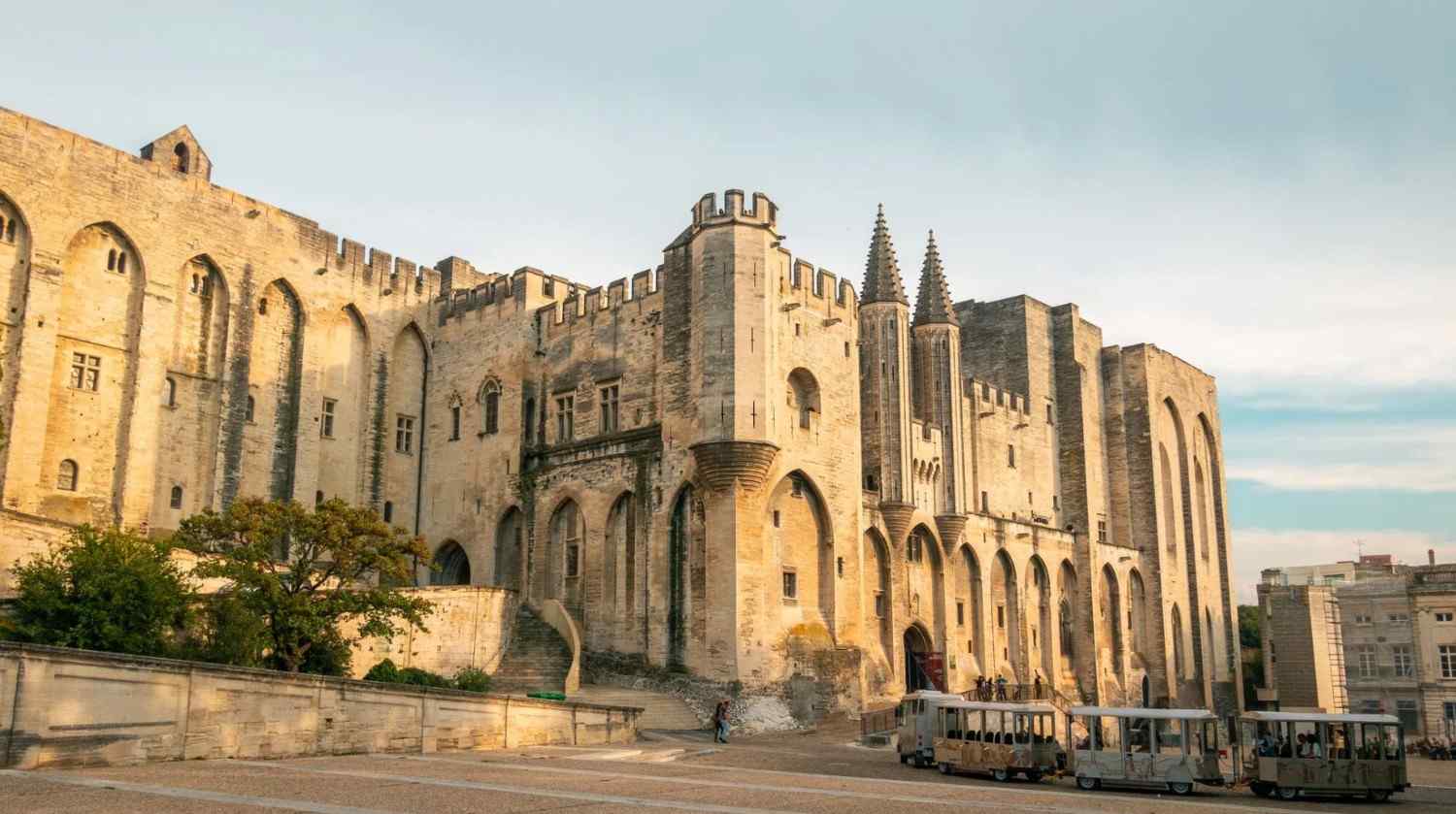
This walled city served as the papal seat in the 14th century, leaving behind magnificent Gothic architecture. The massive Palais des Papes dominates the skyline, while the famous Pont d’Avignon extends partially across the Rhône River.
Narrow medieval streets wind through the historic center, leading to hidden squares and ancient churches. During July, the world-renowned Avignon Festival transforms the city into Europe’s largest performing arts celebration, with theater performances in courtyards and historic venues throughout the old town.
- Why Visit: Papal Palace, medieval bridges, and dramatic southern sunsets.
- Must-Do: Tour the Palais des Papes, walk the famous bridge, and attend the summer festival.
- Best For: History enthusiasts and festival lovers.
9. Colmar: A Storybook Town
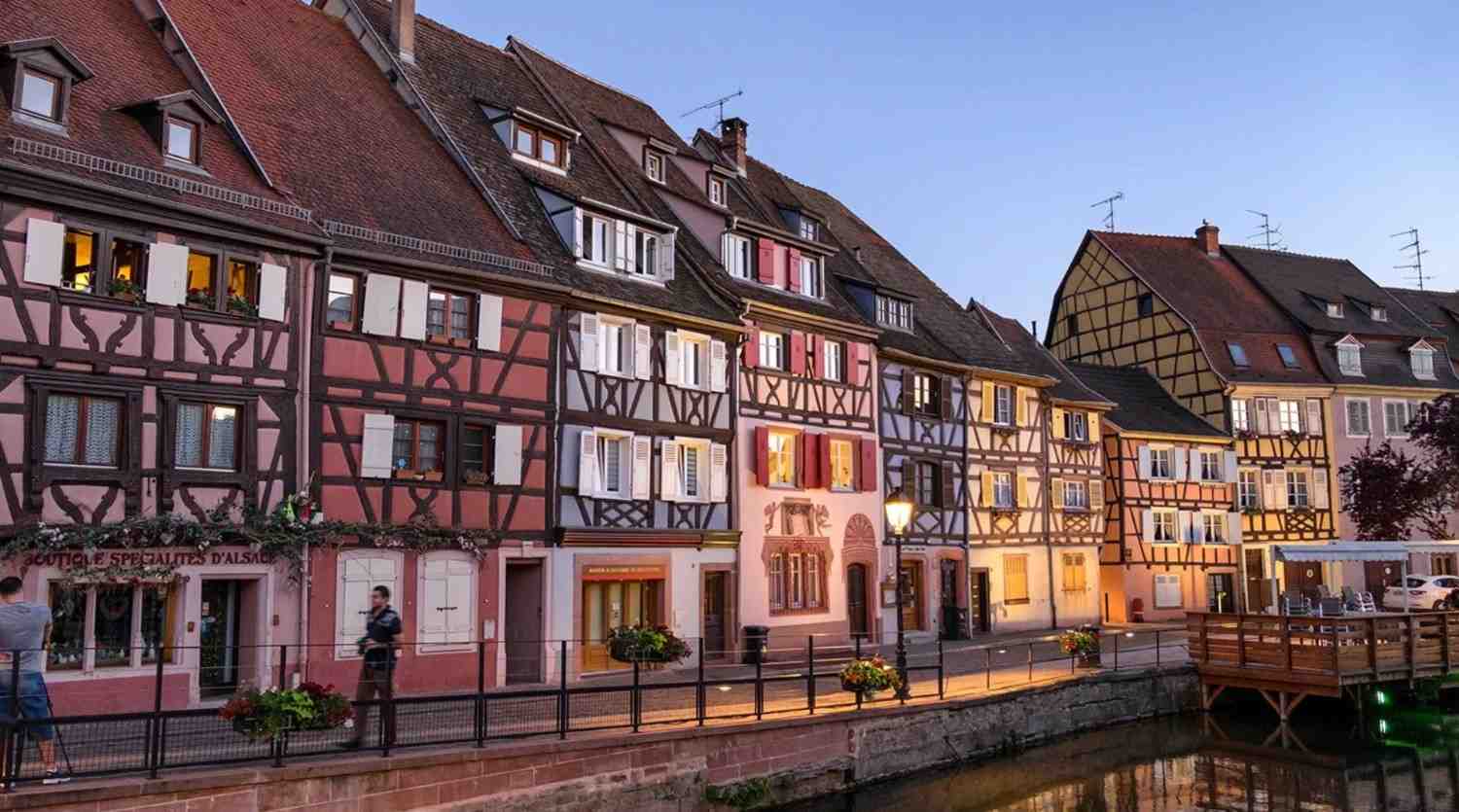
Colmar looks like it stepped from a fairy tale, with its perfectly preserved medieval and Renaissance buildings lining cobblestone streets. The Little Venice quarter features colorful half-timbered houses reflected in the canal waters, creating magical photo opportunities.
The Unterlinden Museum houses the famous Isenheim Altarpiece, while local winstubs serve traditional Alsatian cuisine with regional wines. Colmar serves as the perfect base for exploring the Alsace Wine Route, with picturesque villages and vineyards just minutes away.
- Why Visit: Canals, colorful houses, Alsatian wine route gateway.
- Must-Do: Explore Little Venice district, visit Unterlinden Museum, tour Alsace Wine Route.
- Best For: Photography enthusiasts and wine lovers.
10. Toulouse: The Pink City
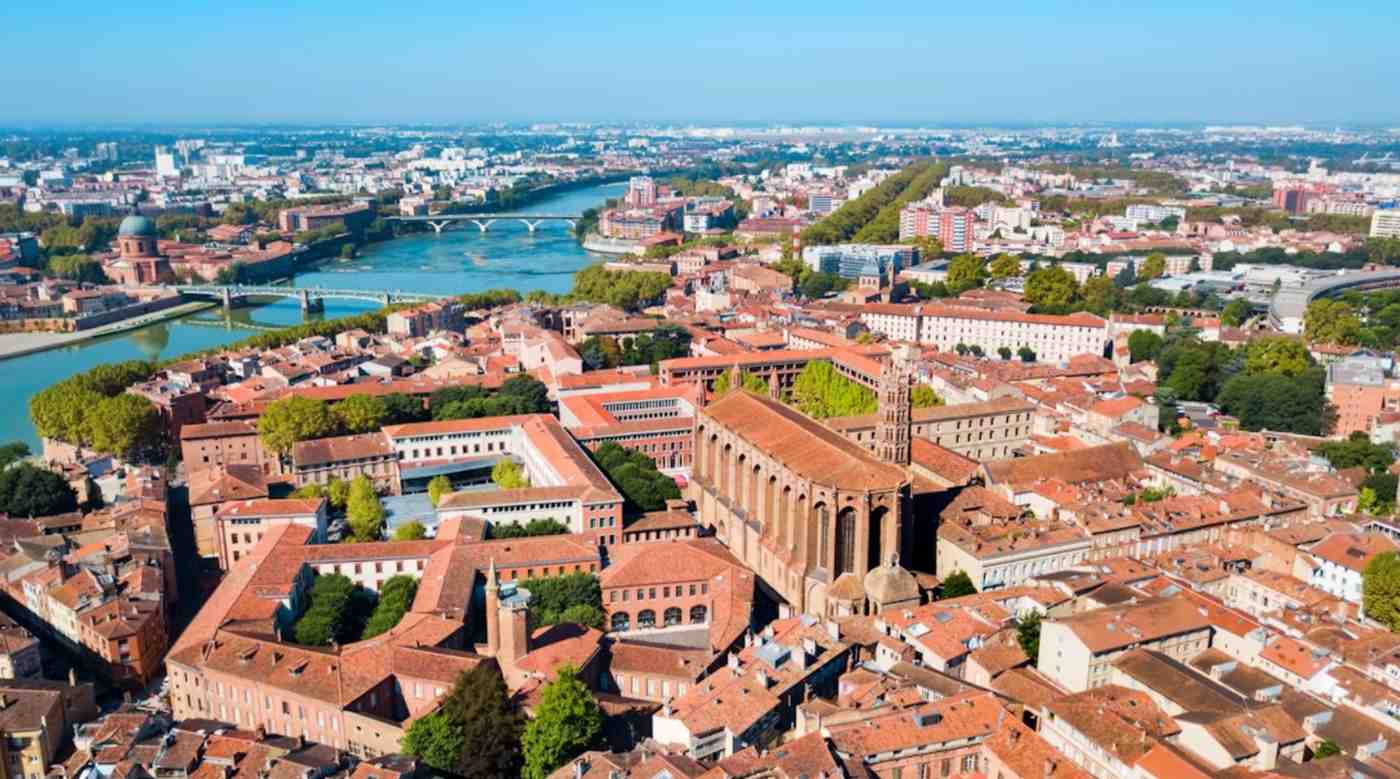
Toulouse earns its nickname from the distinctive pink terracotta bricks used in its architecture. This vibrant university city pulses with youthful energy, evident in its lively nightlife and cultural scene.
The aerospace capital of Europe houses Airbus headquarters and the fascinating Cité de l’espace museum. The historic Capitole building anchors the main square, while the Basilica of Saint-Sernin represents Romanesque architecture at its finest. Canal du Midi connects to the Garonne River, offering peaceful walks and boat trips.
- Why Visit: Rose-hued architecture, aerospace industry, vibrant university vibe.
- Must-Do: Visit Capitole square, explore aerospace museums, stroll along Garonne River.
- Best For: Students and space enthusiasts.
11. Reims: Champagne Capital
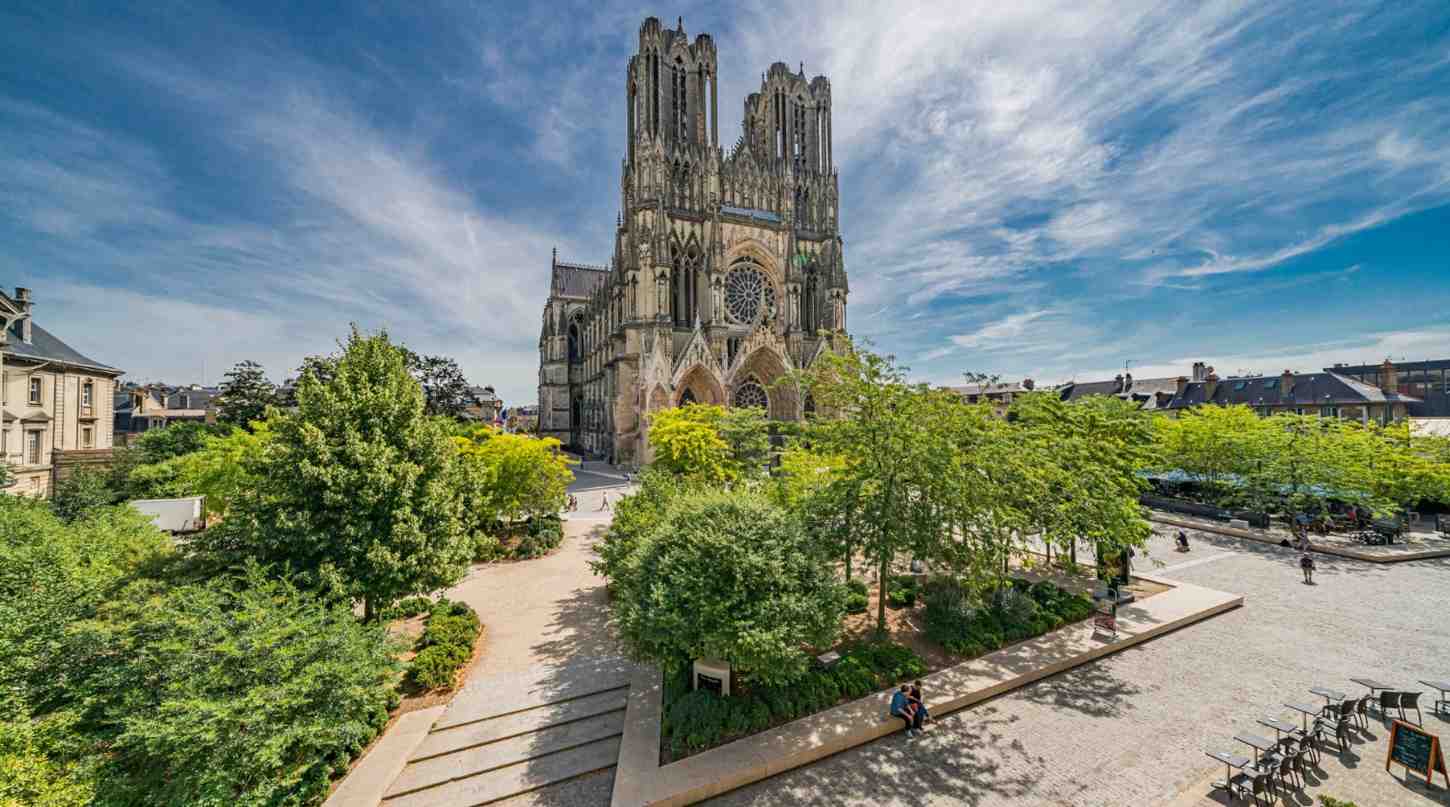
Reims holds special significance as the coronation site of French kings for over 1,000 years. The magnificent Gothic cathedral, Notre-Dame de Reims, showcases stunning architecture and historical importance.
World-renowned champagne houses like Veuve Clicquot, Taittinger, and Pommery offer cellar tours and tastings in atmospheric underground chalk caves. The city beautifully balances its royal heritage with champagne culture, making it essential for understanding French history and celebrating its most famous export in the region where it all began.
- Why Visit: Cathedral coronations and world-famous bubbly cellars.
- Must-Do: Tour champagne houses, visit the Gothic cathedral, explore underground cellars.
- Best For: Champagne lovers and history buffs.
12. Dijon: More Than Mustard
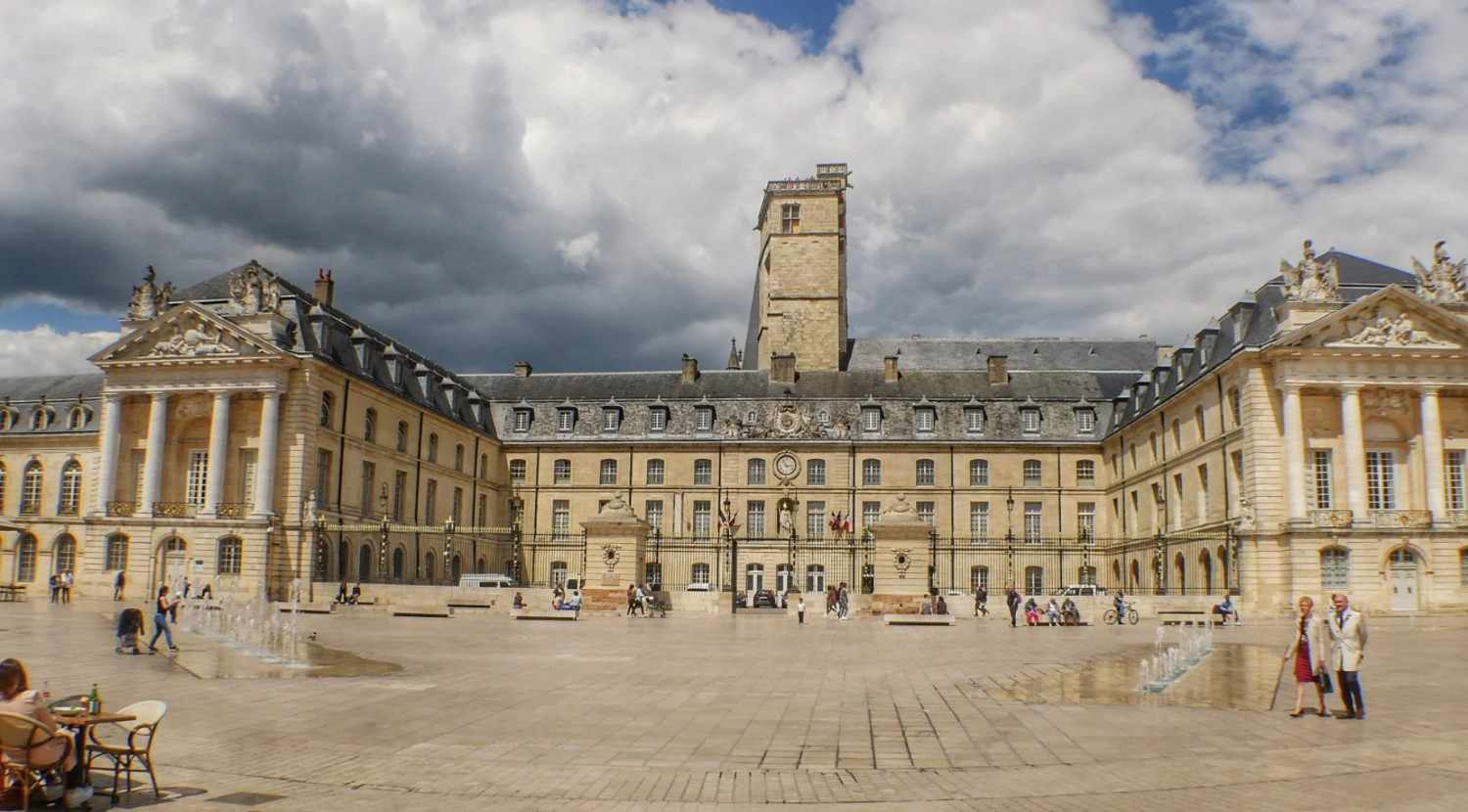
The former capital of the Duchy of Burgundy offers much more than its famous mustard. Medieval streets lead to the imposing Palace of the Dukes of Burgundy, now housing fine arts museums. The Owl Trail guides visitors through the historic center, marked by brass plaques embedded in sidewalks.
Dijon serves as the gateway to Burgundy’s prestigious wine regions, including the Côte d’Or with its world-class Pinot Noir and Chardonnay vineyards. Local markets showcase regional specialties like cassis and gingerbread alongside the renowned mustard.
- Why Visit: Gothic beauty, medieval lanes, and Burgundy wine.
- Must-Do: Follow the Owl Trail, visit the Palace of Dukes, and tour the Burgundy vineyards.
- Best For: Wine connoisseurs and medieval history lovers.
13. Saint-Malo: Corsairs & Coastlines
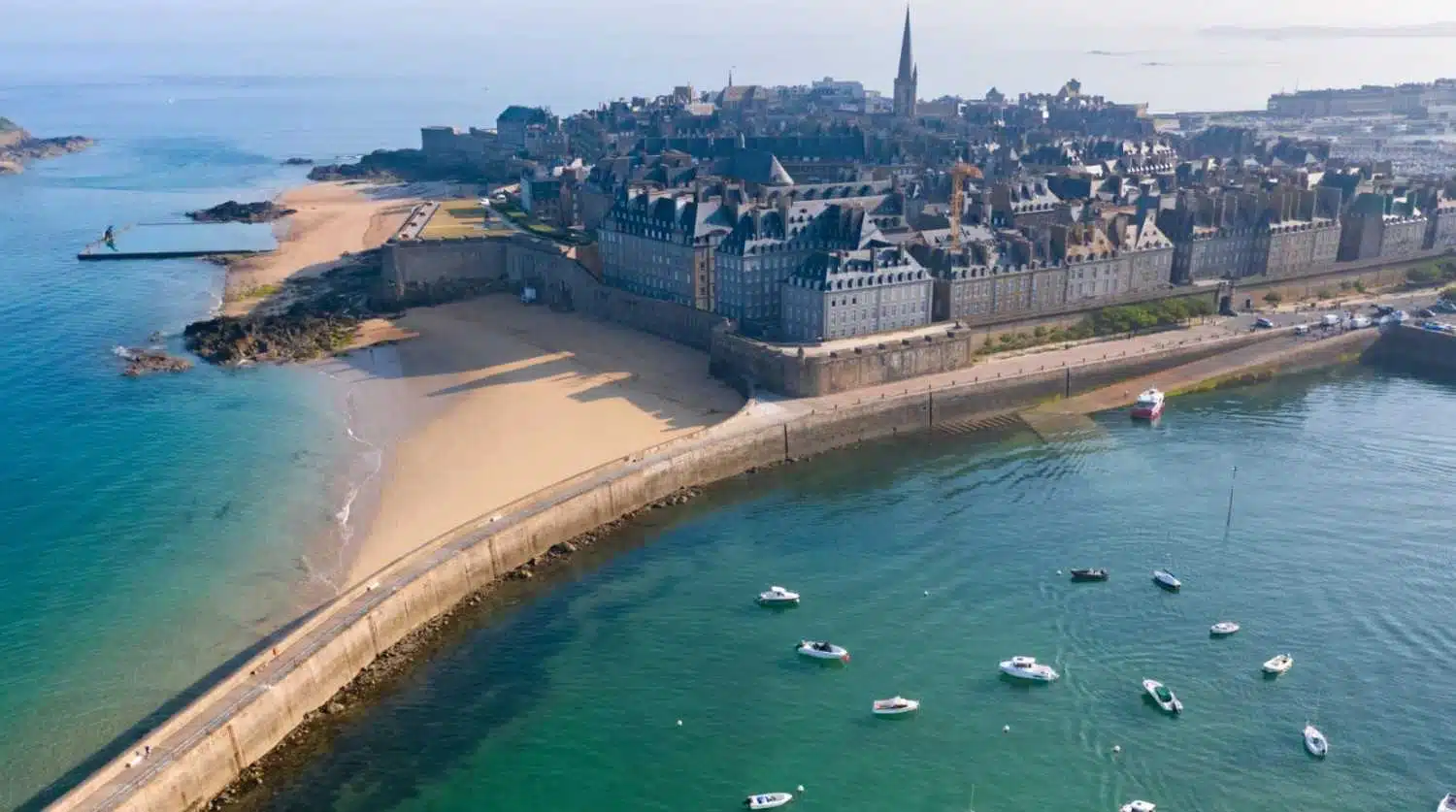
This fortified port city rises from granite foundations, surrounded by ancient ramparts that offer spectacular ocean views. Saint-Malo’s corsair history comes alive through museums and preserved architecture within the walled Intra-Muros district.
The city experiences some of Europe’s most dramatic tides, revealing vast beaches at low tide and creating impressive waves during storms.
Nearby islands become accessible on foot during low tide, while ferry connections link to Channel Islands. The combination of maritime adventure and medieval atmosphere makes Saint-Malo uniquely captivating.
- Why Visit: Walled town charm with dramatic tides and pirate legends.
- Must-Do: Walk the ramparts, visit Fort National, experience extreme tides.
- Best For: Maritime history enthusiasts and coastal explorers.
14. Biarritz: Chic Surf & Sea

This refined resort town perfectly blends Belle Époque luxury with modern surf culture. Grand hotels and casinos line clifftop promenades, while world-class surf breaks attract international wave riders to beaches like Côte des Basques.
The iconic Rocher de la Vierge offers panoramic ocean views, connected by a footbridge that Napoleon III commissioned. Basque culture influences everything from architecture to cuisine, with pintxos bars and pelota courts adding local flavor. Thalassotherapy spas and fine dining complete the sophisticated coastal experience.
- Why Visit: Luxury meets Atlantic surf culture on France’s southwest coast.
- Must-Do: Surf at Grande Plage, visit Rocher de la Vierge, and explore Basque culture.
- Best For: Surfers and luxury seekers.
15. Nîmes: Rome in Provence
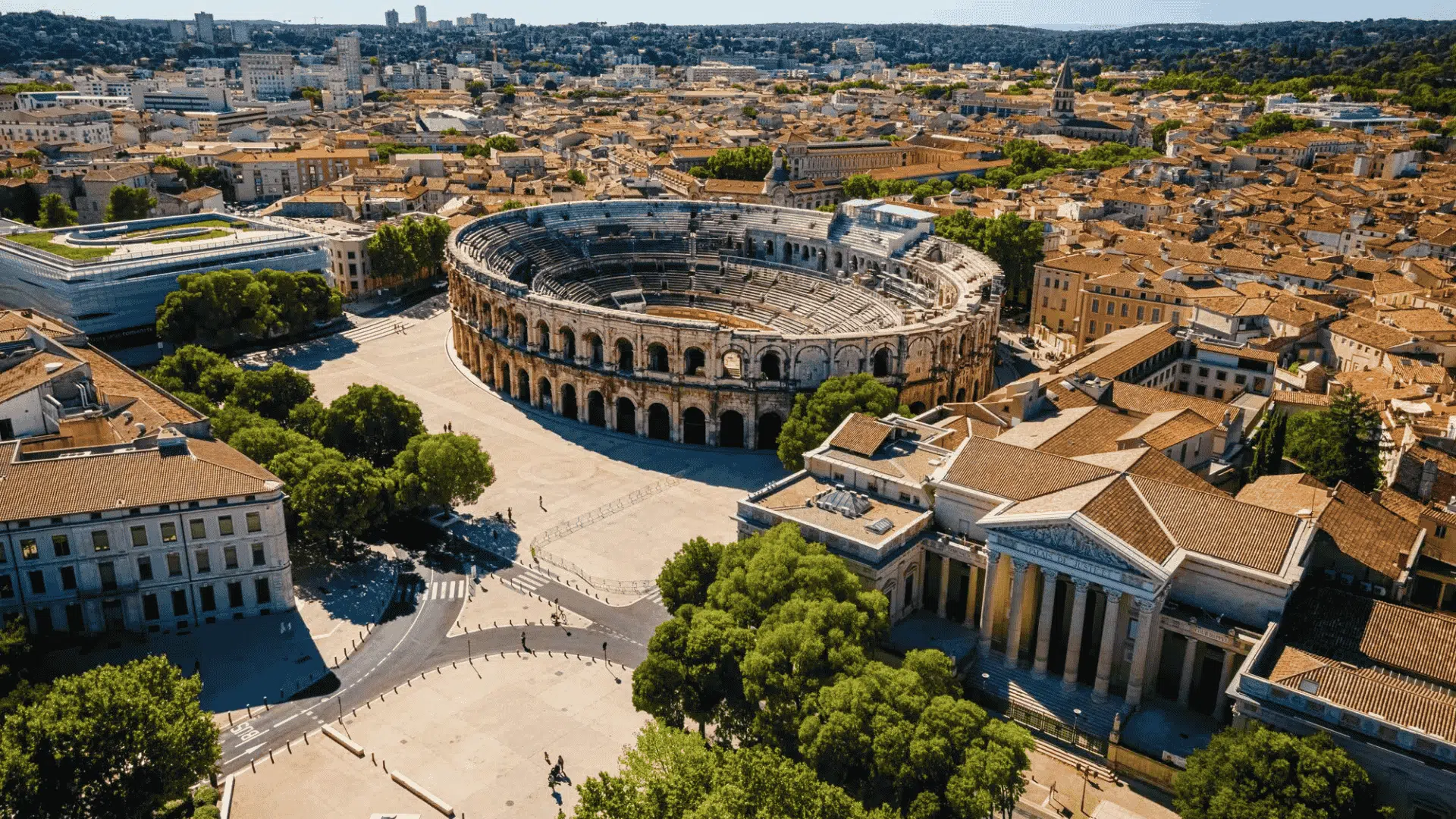
Nîmes preserves some of Europe’s best Roman architecture, earning it the title “French Rome.” The first-century amphitheater still hosts concerts and bullfights, while the perfectly preserved Maison Carrée temple inspired Thomas Jefferson’s Virginia State Capitol design.
The Jardins de la Fontaine combines Roman ruins with 18th-century landscaping around natural springs. Just outside the city, the magnificent Pont du Gard aqueduct bridge showcases Roman engineering genius. Modern Nîmes embraces its ancient heritage while maintaining a vibrant contemporary cultural scene.
- Why Visit: Incredible Roman ruins like the Arena and Maison Carrée.
- Must-Do: Visit the Roman amphitheater, explore Jardins de la Fontaine, and see Pont du Gard nearby.
- Best For: Ancient history lovers and archaeology enthusiasts.
16. Grenoble: Gateway to the Alps

Surrounded by three mountain ranges, Grenoble offers easy access to Alpine adventures while maintaining urban sophistication. Cable cars transport visitors from the city center to the Bastille fortress, providing spectacular mountain panoramas.
The city’s strong student population creates vibrant nightlife and cultural scenes, while several fine museums showcase modern and contemporary art. As host of the 1968 Winter Olympics, Grenoble retains world-class winter sports facilities. The combination of mountains, museums, and youthful energy makes it unique among French cities.
- Why Visit: A student city surrounded by mountains and museums.
- Must-Do: Ride cable cars to Bastille fortress, visit modern art museums, and explore Olympic venues.
- Best For: Mountain enthusiasts and modern art lovers.
17. Lille: Northern Beauty
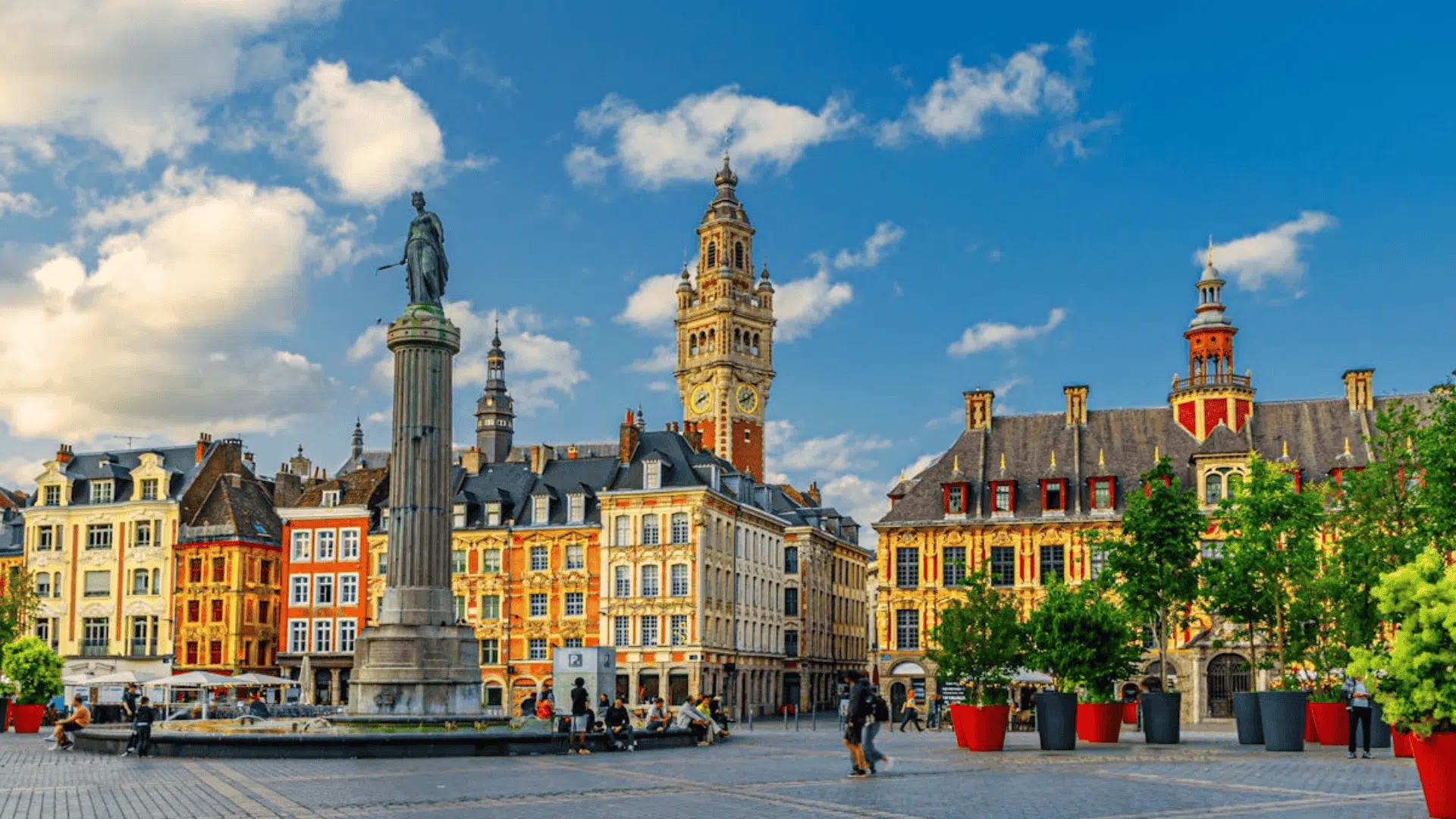
This northern city showcases beautiful Flemish-influenced architecture with ornate guild houses and baroque churches. The Palais des Beaux-Arts ranks among France’s finest art museums, housing works by Rubens, Monet, and Picasso.
Vieux Lille’s cobblestone streets wind past boutiques, bookshops, and traditional estaminets (taverns) serving regional specialties like carbonnade flamande.
The city’s position near Belgium and the UK creates a unique cultural blend, while its large student population ensures lively festivals and nightlife throughout the year.
- Why Visit: Flemish-inspired facades, youthful energy, and great art museums.
- Must-Do: Explore Vieux Lille district, visit Palais des Beaux-Arts, shop at local markets.
- Best For: Art museum enthusiasts and architecture admirers.
18. Cannes: Glamour by the Sea
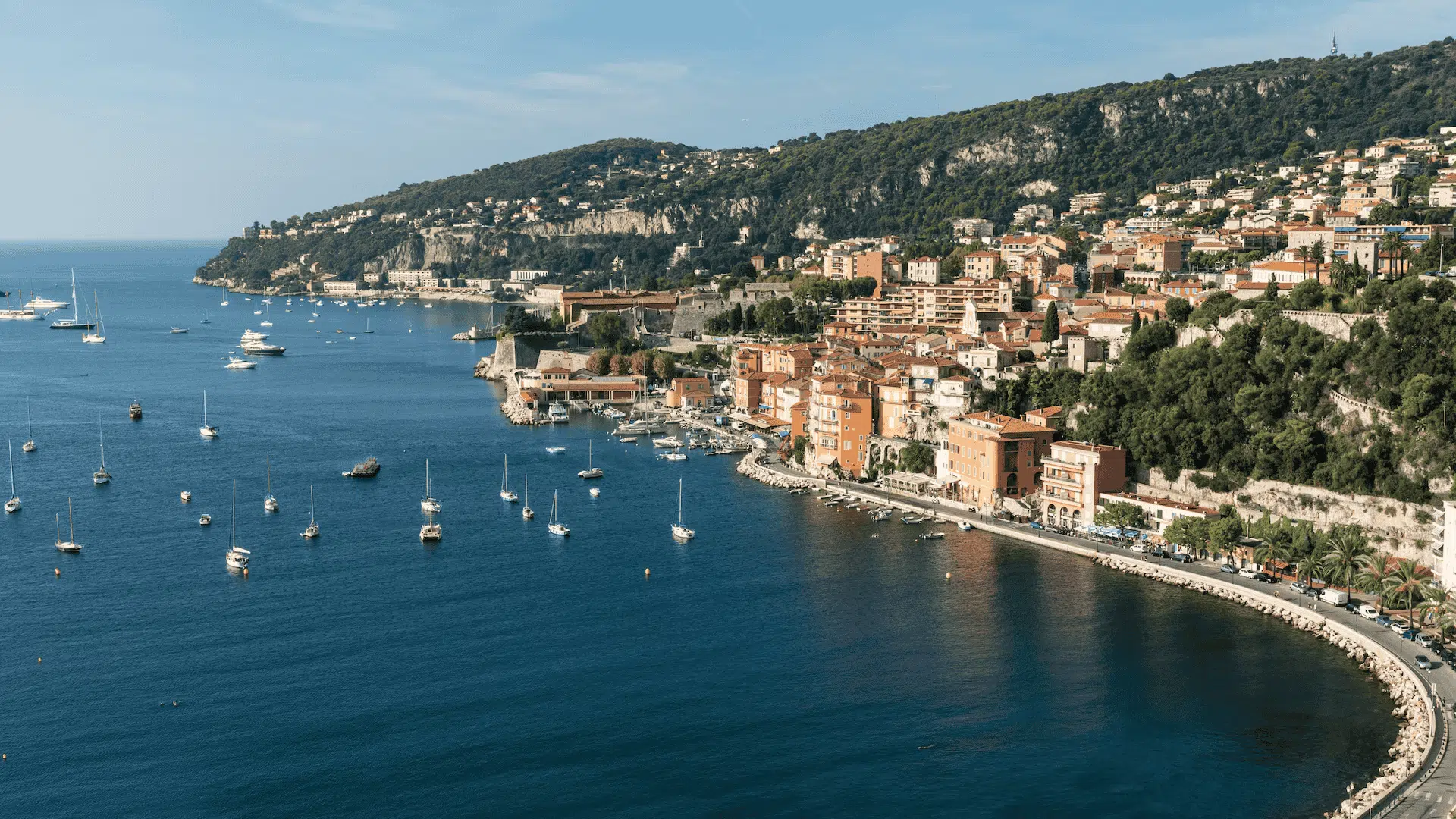
This glamorous resort town becomes the world’s film capital each May during the famous Cannes Film Festival. The palm-lined Croisette promenade stretches past luxury hotels, designer boutiques, and pristine beaches.
Year-round, Cannes maintains its sophisticated atmosphere with high-end restaurants, exclusive beach clubs, and refined casinos.
The old town of Le Suquet offers a more traditional Provençal experience with narrow streets and panoramic views. Ferry connections to nearby Lérins Islands provide peaceful escapes from the mainland’s luxury and excitement.
- Why Visit: Famous for film, beaches, and high-end Riviera lifestyle.
- Must-Do: Walk the Croisette promenade, visit film festival sites, and explore luxury shopping.
- Best For: Luxury travelers and cinema enthusiasts.
Money & Budget Tips for Traveling in France
Traveling through France doesn’t have to drain your wallet. Whether you’re on a shoestring budget or looking for ways to stretch your euros, these tips will help you enjoy more while spending less.
- Book TGV tickets early for discounts
- Choose prix fixe lunch menus over dinner
- Stay in hostels or on the city outskirts with good transport
- Visit museums for free on the first Sunday of the month
- Use contactless cards to avoid exchange fees
- Carry a water bottle (tap water is safe)
Conclusion
France offers far more than Paris can provide. These cities showcase the country’s rich diversity, from Mediterranean coastlines to Alpine peaks, medieval villages to modern metropolises.
Each destination tells its own story. Lyon feeds your soul with incredible cuisine. Annecy captures hearts with fairy-tale beauty. Marseille pulses with multicultural energy. Every city rewards curious travelers with unique experiences.
Planning your multi-city trip requires smart choices. Focus on quality over quantity. Choose regions that match your interests. Book transportation early for better prices.
What’s your next move? Start with one region that speaks to you. Build your itinerary around 2-3 cities for your first French adventure. Research local festivals and seasonal events to time your visit perfectly.
France’s cities are calling. Which one will you answer first?