Have you ever wondered how to get your children excited about spending time outdoors?
Getting kids off screens and onto trails can feel like a challenge, but it doesn’t have to be complicated or stressful for parents.
The key lies in proper planning and knowing what works for different age groups.
From infants in carriers to energetic grade-schoolers racing ahead, each stage brings unique joys and considerations that can make or break your outdoor experience.
In this blog, I’ll show you exactly how to plan successful hikes with children of any age.
You’ll learn age-specific strategies, safety essentials, packing tips, and creative ways to keep young hikers motivated and happy on the trail.
Why Hike with Kids?
Outdoor activities offer valuable experiences for children of all ages. Trails provide opportunities for exercise, learning, and quality time away from everyday routines and technology.
Fresh air and physical activity benefit growing bodies immensely. Trails offer lessons you simply cannot replicate in classrooms or playgrounds at home.
Benefits of Hiking with Children
✓ Improves physical health through regular outdoor movement.
✓ Develops problem-solving and observation skills naturally.
✓ Strengthens family bonds away from daily distractions.
✓ Builds environmental awareness through firsthand nature experiences.
These outdoor experiences shape how your children view the world. Early exposure to nature often creates lifelong habits of health and environmental stewardship.
How to Prepare for A Hike with Children?
Preparation makes the difference between a successful outing and a challenging experience. Planning ahead based on your child’s age ensures everyone enjoys the trail.
Hiking with Infants (0-12 months)
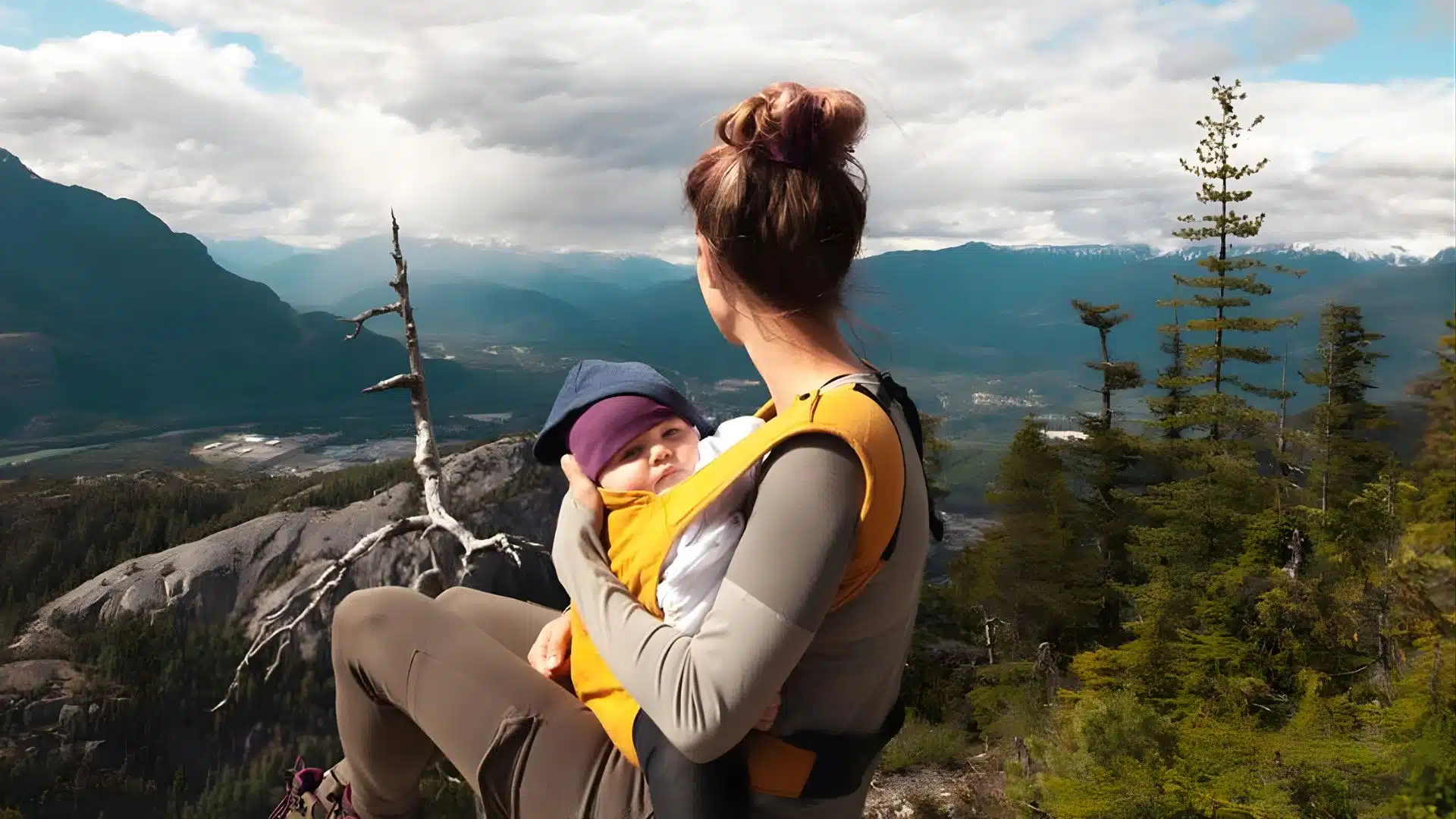
Source: Northwest Outlet
Babies need supportive carriers and regular pauses for feeding or any quick care. Keep routes short and flexible to accommodate their needs during outdoor excursions.
Choose ergonomic baby carriers: Select carriers that distribute weight evenly across your shoulders and back while providing proper head and neck support for your infant.
Plan shorter routes: Pick trails close to parking areas so you can return quickly when your baby needs a feeding, a diaper change, or becomes uncomfortable.
Pack extra layers and sun protection: Bring hats, blankets, and sunscreen, as infants cannot regulate their body temperature as well as adults and need protection from the elements.
Schedule hikes around nap times: Time your outings to coincide with your baby’s regular sleep schedule to increase the likelihood your baby rests peacefully while you walk.
Hiking with Toddlers and Young Kids (1-4 years)
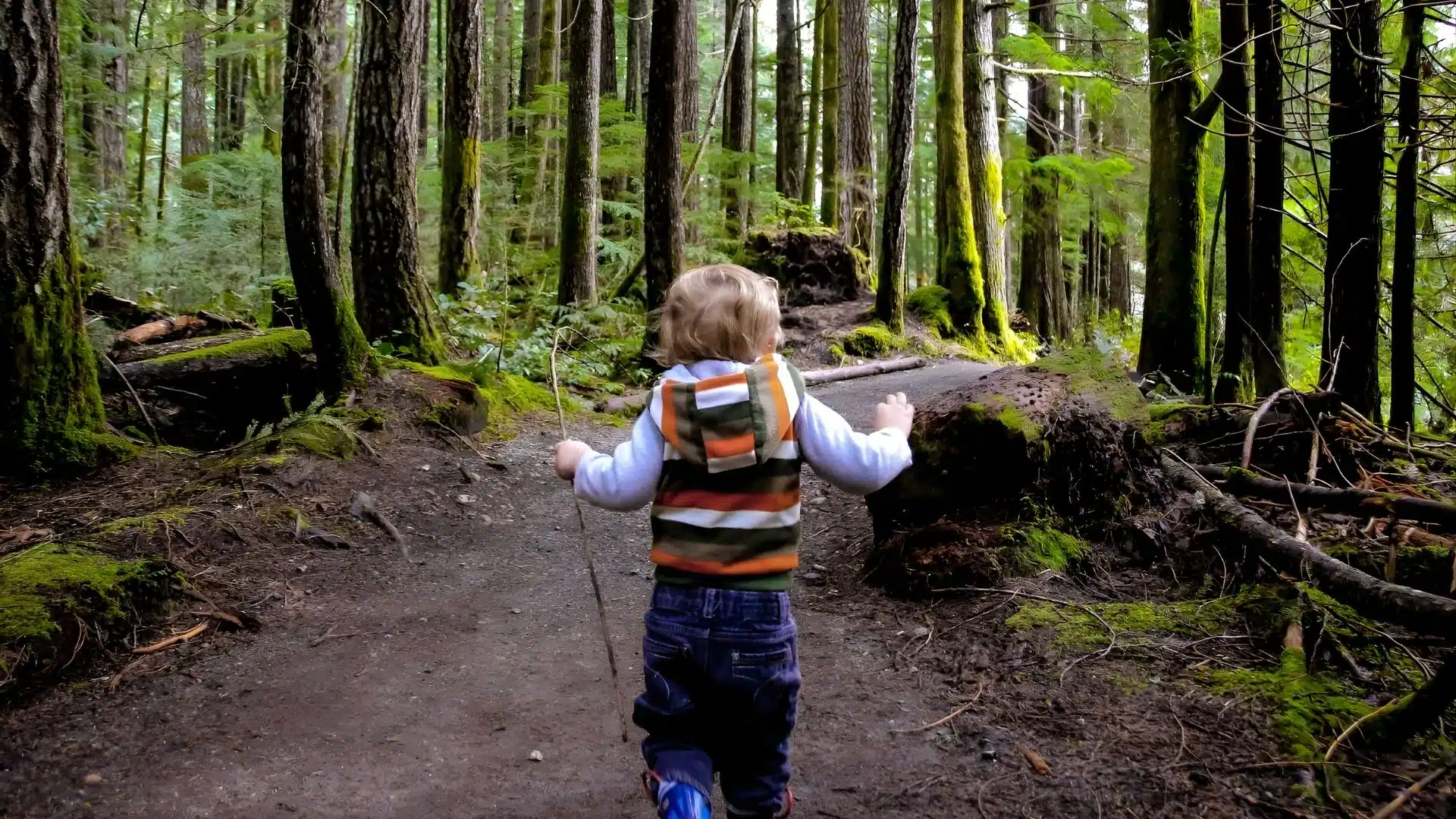
Source: WildKind
Toddlers can handle short walks but tire quickly and appreciate regular pauses. Be prepared to carry them for portions of your hike as their energy fades.
Bring a lightweight backpack carrier: Pack a comfortable carrier designed for toddlers, since their energy fades fast, and they will need help covering longer distances.
Select trails with interesting features: Choose paths near streams, animal habitats, or rock formations to capture their attention and keep them engaged throughout the walk.
Give them extra time: Toddlers often pause to examine insects, leaves, stones, and anything else that interests them.
Pack plenty of snacks: Bring a variety of options to help young children stay cheerful and energized, as they can refuel often during the walk.
Hiking with Grade-Schoolers (5-12 years)
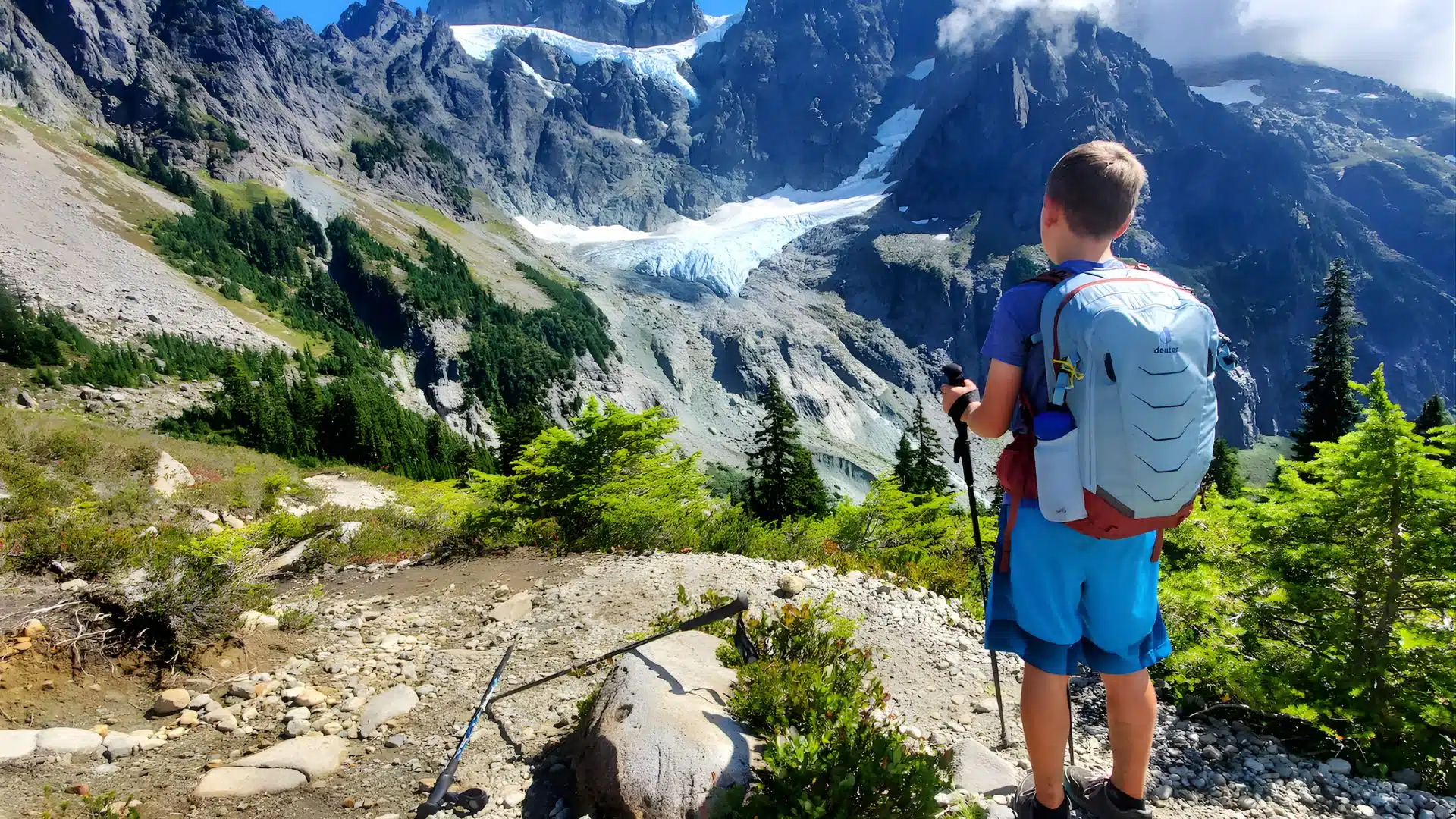
Source: The Boston Globe
Older children can handle longer distances and more challenging terrain with proper motivation and reasonable expectations set beforehand.
Involve them in planning: Let your children help select trails, set distance goals, or choose destinations to boost their excitement and sense of ownership.
Teach basic trail skills: Show them how to read trail markers, use maps, identify plants, and recognize landmarks to build their outdoor confidence and capabilities.
Set realistic distance goals: Choose routes that match their current fitness level and gradually increase the difficulty as their strength and endurance naturally improve.
Encourage independence: Allow them to walk ahead, lead sections of the trail, or make small decisions about rest breaks to foster their self-reliance.
What to Pack for Hiking with Kids?
Packing the right gear prevents most problems on the trail. Having essentials ready means you can focus on enjoying time outdoors instead of worrying about missing items.
Hiking Essentials Checklist
☐ Water bottles or hydration packs for everyone.
☐ High-energy snacks like trail mix, fruit, and granola bars.
☐ First aid kit with bandages and antiseptic supplies.
☐ Sunscreen, hats, and sunglasses for sun protection.
☐ Extra clothing layers and rain gear.
☐ Insect repellent for sensitive skin.
☐ Whistle for emergencies and safety signals.
☐ Trash bags to pack out waste responsibly.
☐ Baby wipes for quick cleanups.
Review this list before each trip and adjust based on trail length, weather forecast, and the age of your children hiking with you.
How to Keep Kids Safe on The Trail?
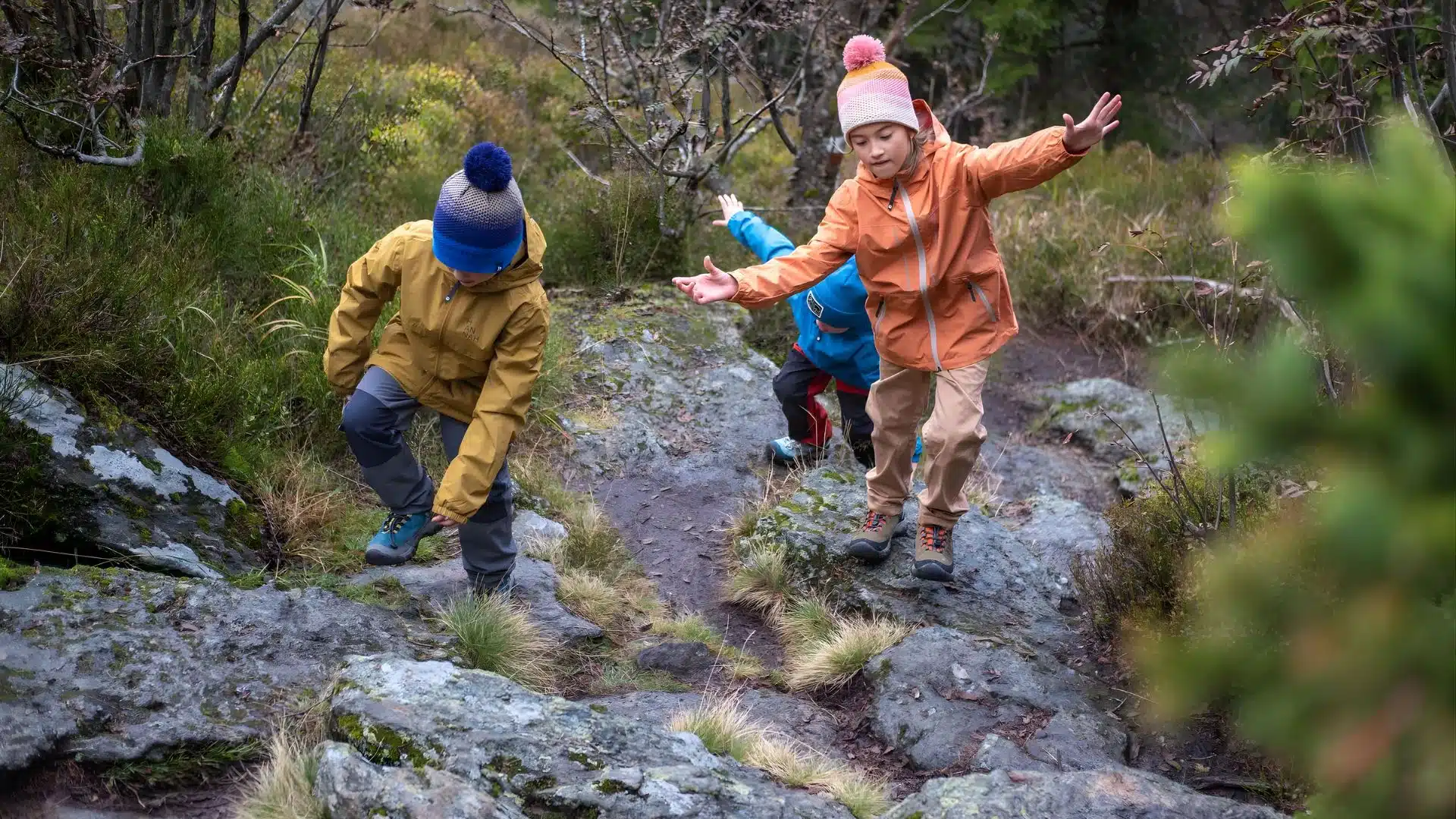
Source: KEEN Footwear
Safety should always be your top priority when taking children into natural areas. Proper precautions help prevent accidents and ensure everyone returns home happy and healthy.
Essential Trail Safety Tips
- Stay within the children’s line of sight and set clear boundaries about walking distance.
- Offer drinks at regular intervals to keep everyone comfortable and prevent fatigue.
- Check for ticks after hiking, especially behind the ears and along the hairline.
- Teach the “stay put” rule if children realize they’re separated or lost.
- Give each child a whistle for emergency signaling with three short blasts.
- Pay attention to early signs that your child needs rest, including dragging feet or slowing down.
How to Make Hiking Fun and Keep Kids Motivated?
Keeping children engaged on the trail requires creativity and flexibility. Turn the hike into an adventure rather than just a walk to maintain their interest.
Create scavenger hunts:Make lists of items to find, like pinecones, specific leaf shapes, animal tracks, or colorful rocks, to keep kids focused and excited.
Play trail games:Try “I Spy,” nature bingo, or counting games that make the walk feel less like exercise and more like playtime outdoors.
Take photo challenges:Give kids cameras or phones to capture interesting sights, funny poses, or wildlife, turning them into trail documentarians for the day.
Offer small rewards:Bring special treats or promise a post-hike activity, such as ice cream, to give children something positive to look forward to and work toward.
Wrapping It Up
To summarize, taking your children into nature doesn’t require perfect conditions or expert knowledge.
Start with small outings close to home and build confidence gradually as everyone gains experience together.
Remember that each hike teaches valuable lessons beyond just reaching a destination.
Whether your little one takes their first steps on the trail or your older child learns navigation skills, these moments create lasting memories and healthy habits.
The trails are waiting for your family. Don’t overthink the process or wait for the perfect moment to begin your outdoor adventures.
What’s holding you back from planning your family hike? Share your thoughts or questions in the comments below!