Turning your travel passion into a blog seems exciting but overwhelming at first. Where do you even begin with domain names, hosting, and content creation?
Learning how to start a travel blog doesn’t require technical expertise or huge investments. Thousands of travelers have successfully launched blogs that inspire readers and generate income streams.
This comprehensive guide walks you through every essential step. You’ll discover how to plan your strategy, set up your platform, create engaging content, and grow your audience effectively.
Whether you want to document adventures, build a community, or earn money traveling, this roadmap covers it all. The travel blogging world welcomes new voices with unique perspectives and authentic stories.
Your journey from aspiring blogger to published creator starts here. Let’s transform your travel experiences into compelling content that resonates with readers worldwide.
What a Travel Blog Is & Why Start One?
A travel blog is a digital platform where you share your adventures with the world. It serves as an online journal documenting destinations, cultures, and personal experiences from your journeys.
Travel bloggers publish guides, itineraries, and practical tips to help readers plan their trips. The content ranges from budget backpacking advice to luxury resort reviews and local food recommendations.
These blogs combine storytelling with helpful information. They inspire wanderlust while providing actionable insights for fellow travelers.
Why Travel Blogs Matter in 2026?
Travel blogs have become essential resources in today’s digital landscape—overr 80% of travelers research destinations online before booking their trips.
The travel content industry continues to grow as more people seek authentic experiences. Readers trust personal stories and real recommendations over traditional advertising.
Learning how to start a travel blog opens doors to creative expression and potential income. You can turn your passion for exploration into a thriving online presence.
Social media integration and video content have transformed travel blogging. Modern blogs blend written posts, photography, and multimedia to effectively engage diverse audiences.
Before You Begin, Plan Your Blog Strategy

Many people jump straight into the technical setup without proper planning. This mistake costs them months of wasted effort and unclear direction.
Understanding how to start a travel blog requires strategic thinking first. You need to identify your target audience before writing a single post.
Ask yourself who will read your content. Are you targeting budget backpackers, luxury travelers, family vacationers, or solo adventurers?
Your niche determines everything from writing style to monetization opportunities. A focused approach attracts loyal readers faster than generic travel content.
Define your unique angle in the crowded travel space. Perhaps you specialize in sustainable tourism, adventure sports, or cultural immersion experiences.
Your positioning sets you apart from thousands of other travel blogs. Think about what makes your perspective valuable and different.
Invest time in this planning phase. A clear strategy guides your content creation and helps build a recognizable brand identity.
Blog Setup, Domain, Hosting & Platform
The technical foundation is crucial when learning how to start a travel blog successfully.
1. How to Choose a Blog Name
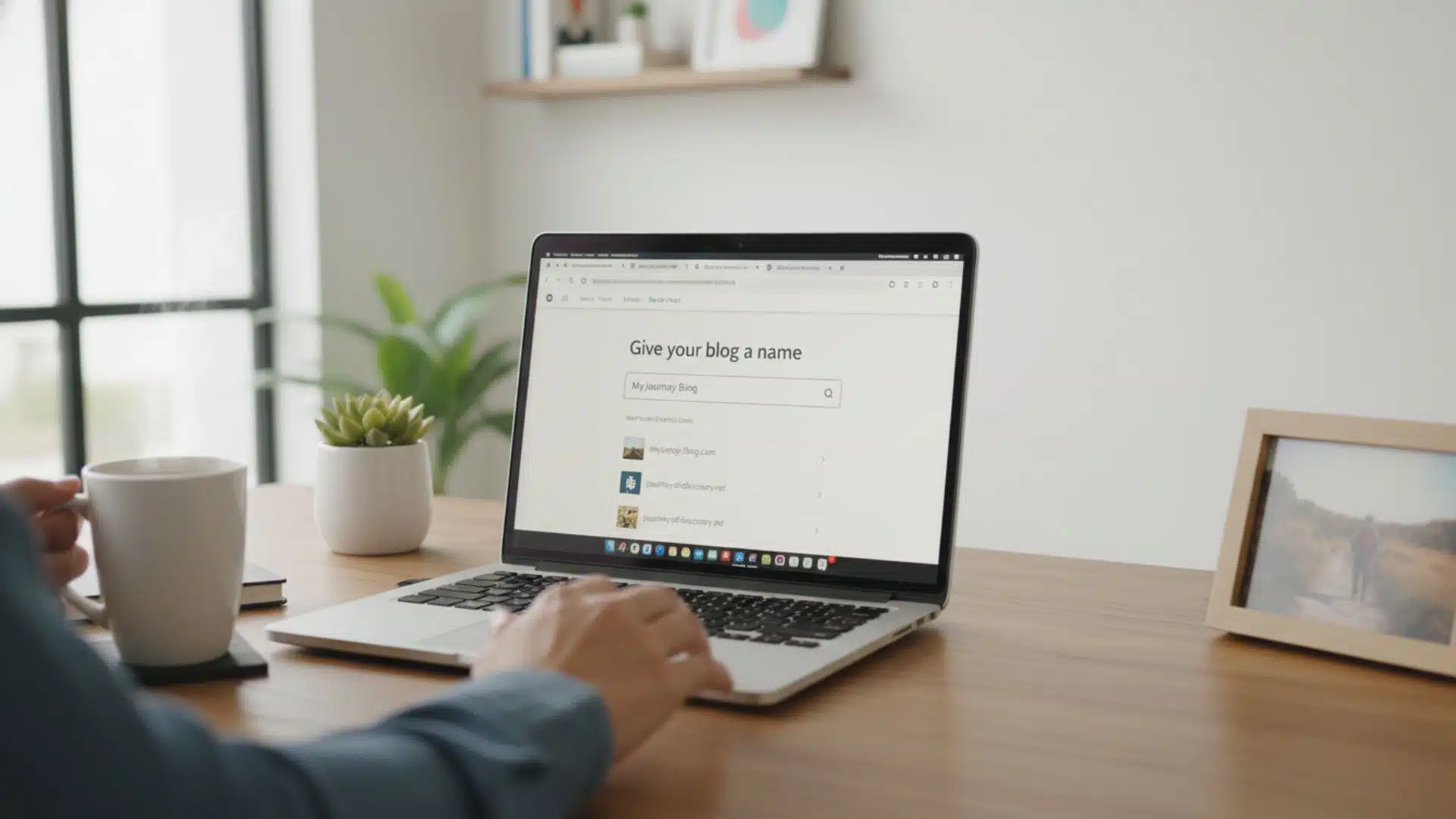
Your blog name is your brand identity online. Choose something memorable, easy to spell, and relevant to your travel niche.
Keep it short and avoid complex words or numbers. A good name should be unique enough to stand out in search results.
Check domain availability before committing to a name. Ensure matching social media handles are available for consistent branding across platforms.
2. Select Your Blogging Platform
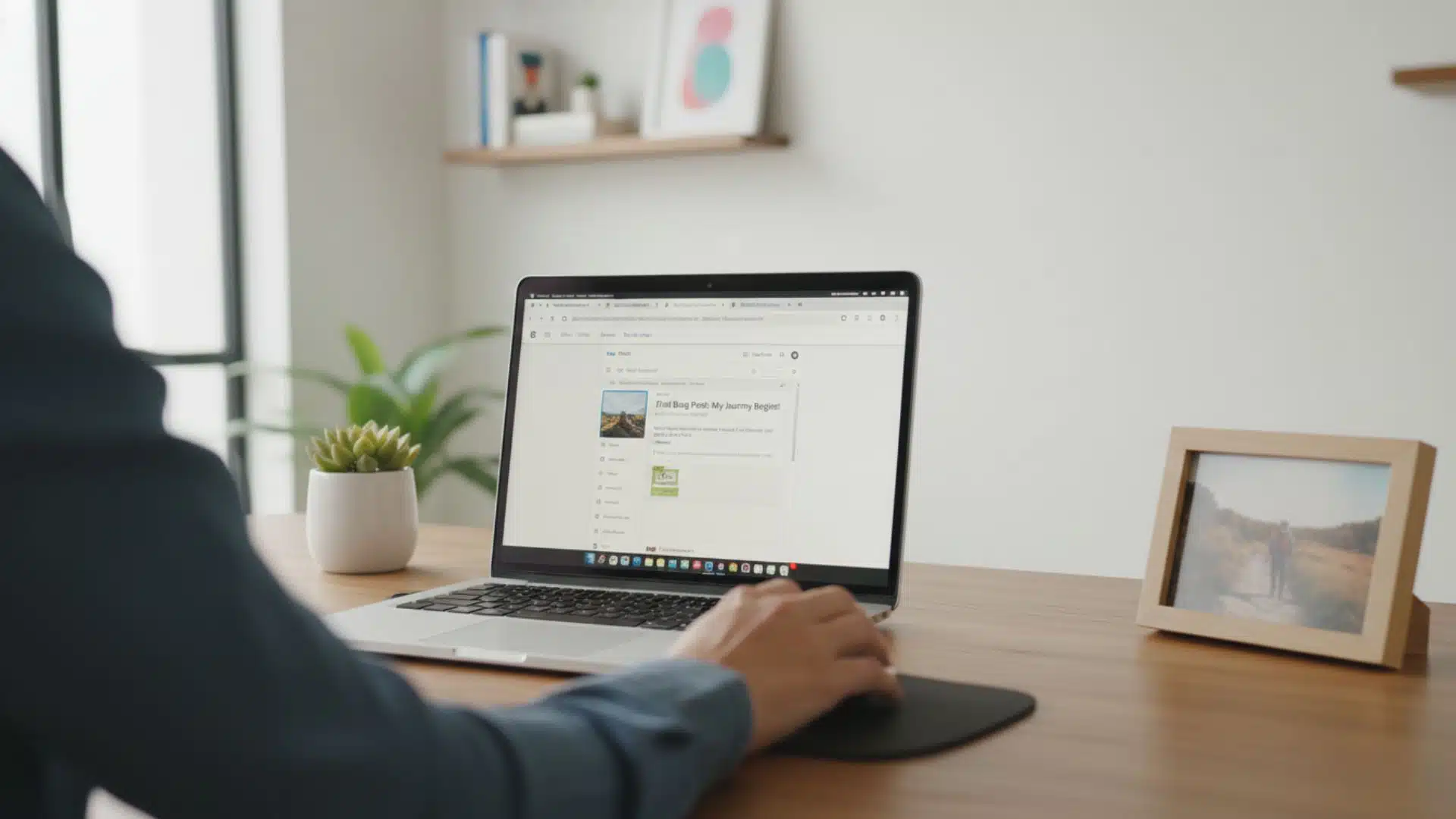
WordPress self-hosted offers maximum flexibility and full ownership of your content. It powers over 40% of all websites and provides unlimited customization options.
WordPress.com is simpler but has limitations on monetization and plugins. Wix and Squarespace offer drag-and-drop builders that are ideal for beginners with limited technical skills.
Self-hosted WordPress remains the top choice for serious travel bloggers. It scales with your growth and offers better long-term SEO capabilities.
3. Choose Web Hosting & Domain Registrar

Web hosting stores your blog files and makes them accessible online. Popular hosts like Bluehost, SiteGround, and HostGator offer beginner-friendly packages starting at $3-$10 per month.
Purchase your domain name through registrars like Namecheap or GoDaddy. Many hosting providers include a free domain for the first year.
Look for hosting with strong uptime, fast load times, and reliable customer support. These factors directly impact your reader experience and search rankings.
4. Install Your Platform & Theme

Most hosts offer one-click WordPress installation that takes minutes. Choose a theme that loads quickly and looks professional on mobile devices.
Free themes work initially, but premium options offer better support and features. Prioritize clean design, intuitive navigation, and built-in SEO.
Test your theme on different devices before publishing content. A mobile-responsive design is essential since over 60% of web traffic comes from smartphones.
Travel Blog Essential Pages & Features
Creating the right pages is a critical step when figuring out how to start a travel blog that builds credibility.
1. About Page
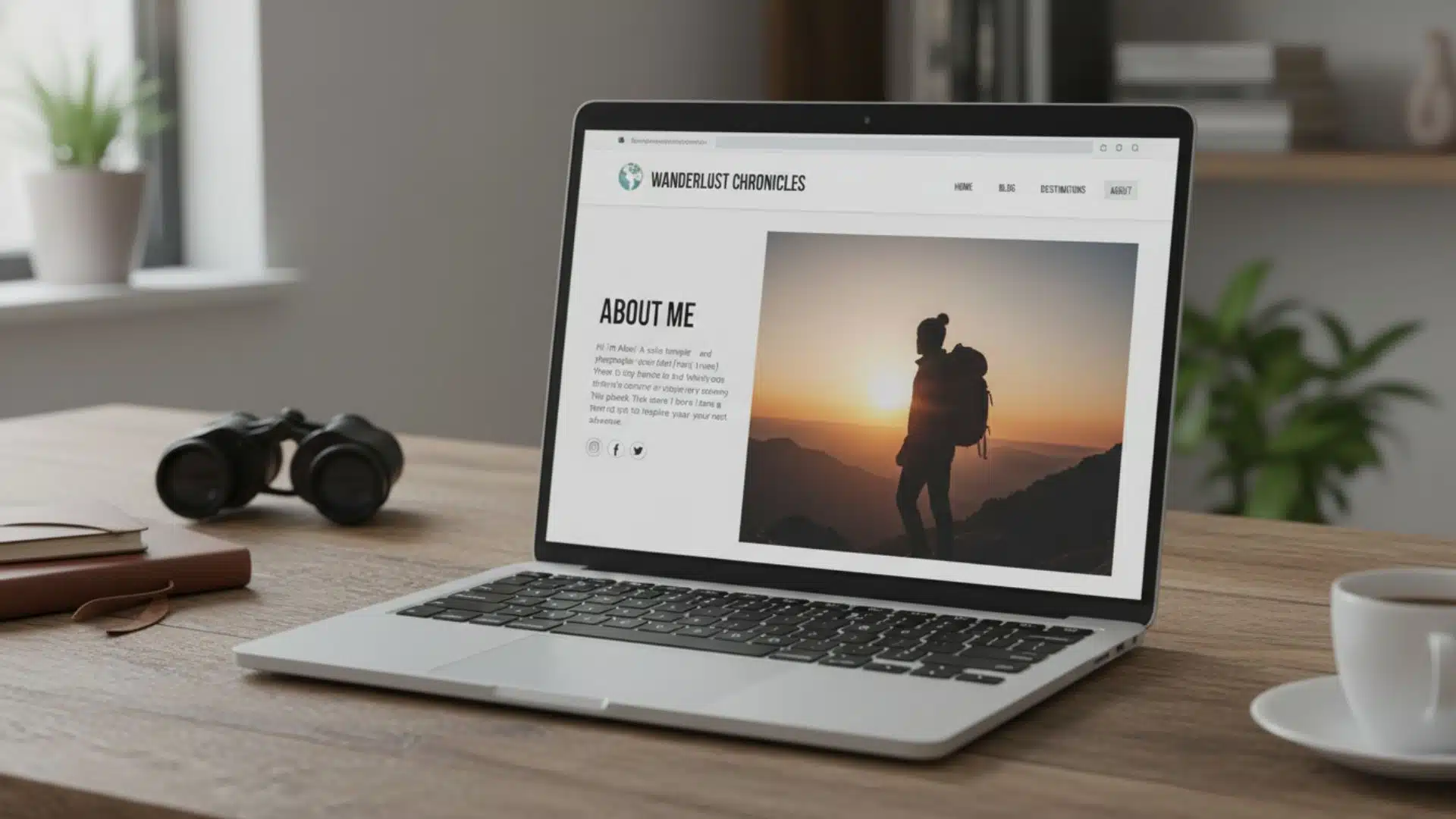
Your About page connects you personally with readers. Share your travel story, what inspires your journeys, and why you started blogging.
Include authentic photos of yourself from your adventures. People connect with real faces and genuine stories more than generic content.
Explain your blog’s mission and what makes your perspective unique. This page often becomes your most visited section and helps readers decide to follow you.
2. Contact Page
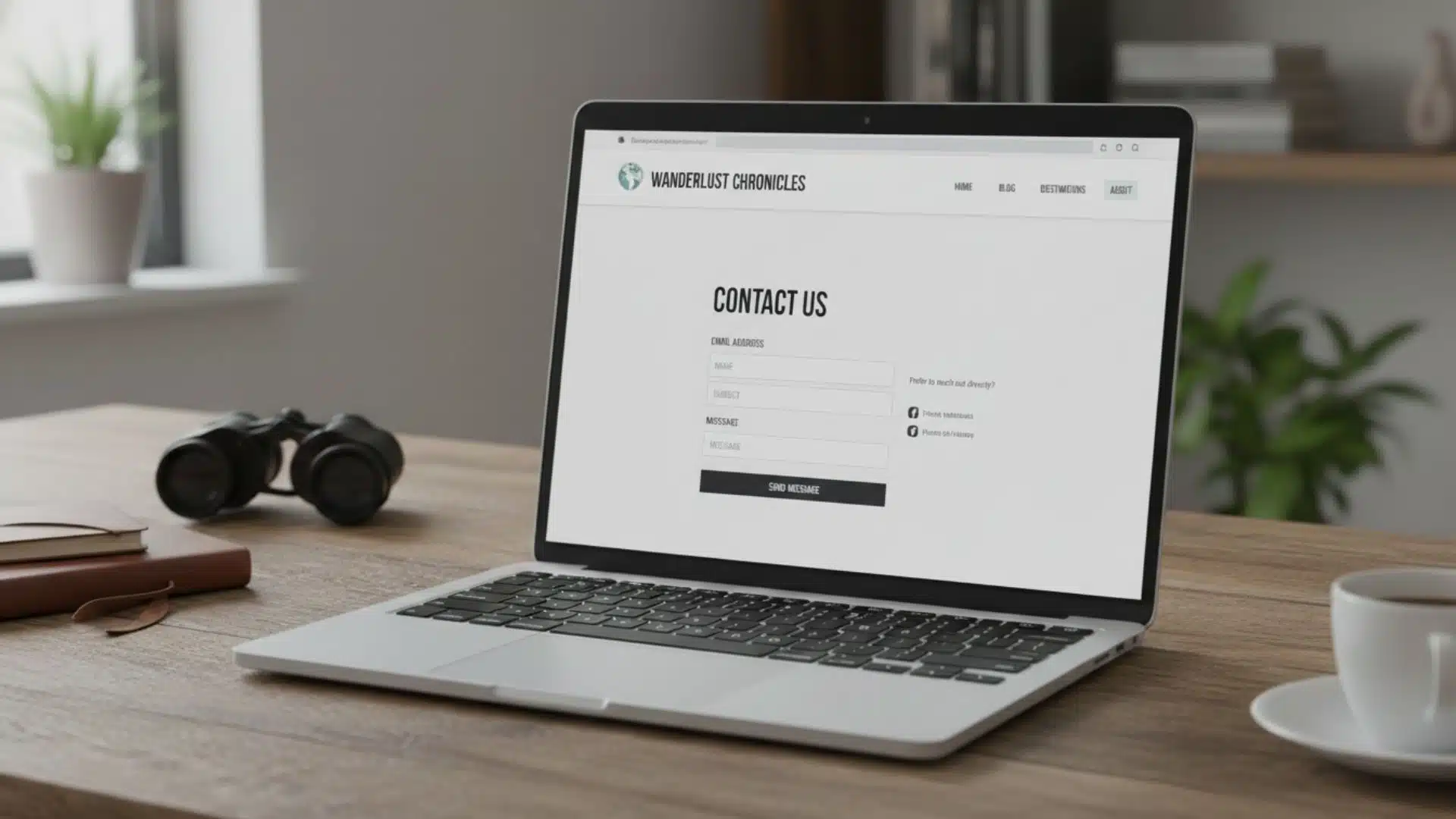
A dedicated contact page makes you accessible to your audience. Readers may have questions, suggestions, or personal travel stories to share.
Brands and tourism boards seek contact information when exploring collaboration opportunities. Missing this page could mean losing potential partnerships and income streams.
Include a simple contact form or professional email address. Add links to your social media profiles for multiple connection points.
3. Privacy Policy & Disclosure
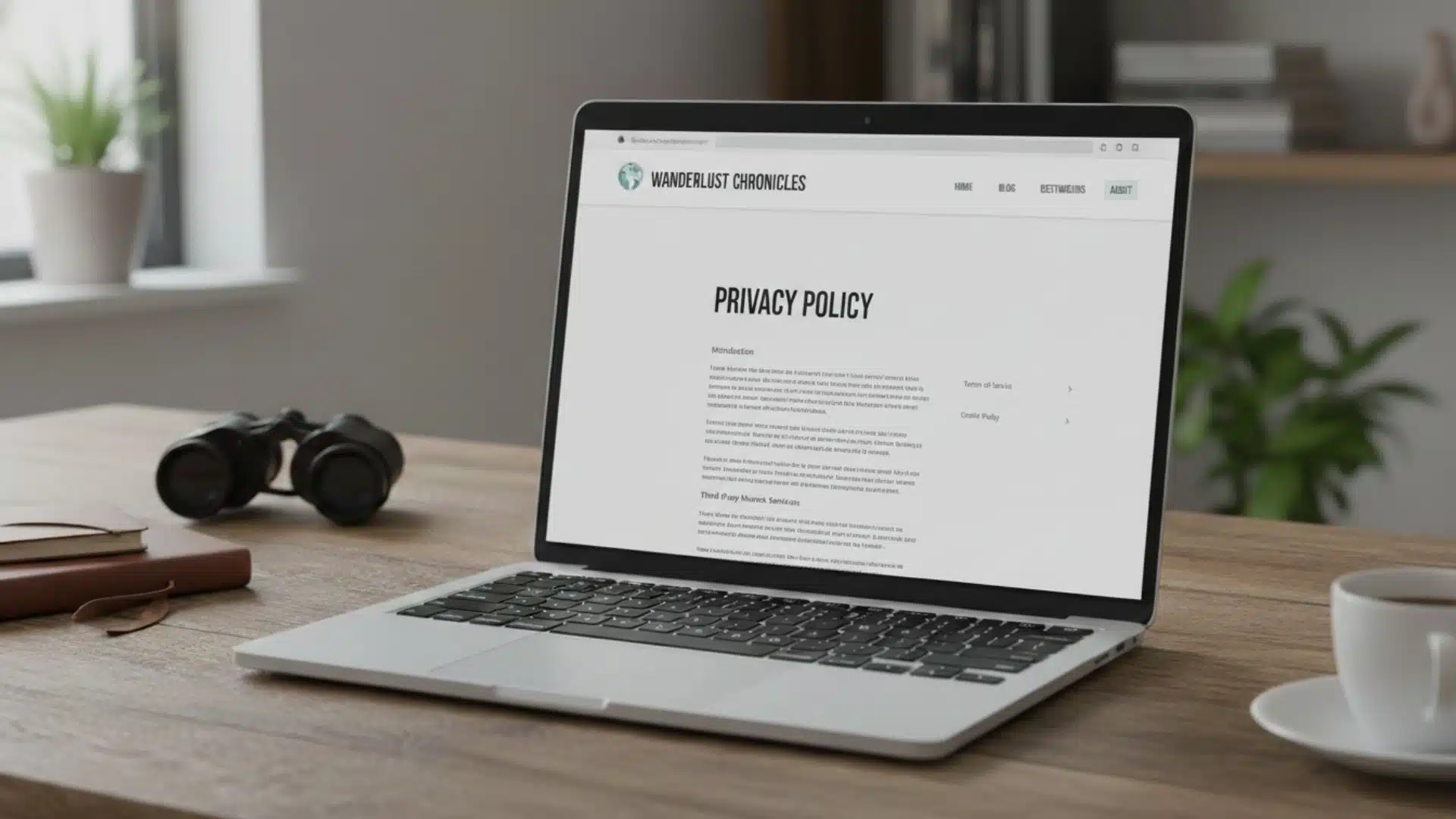
Legal pages protect both you and your readers. Privacy policies explain how you collect and use visitor data, especially regarding cookies and analytics.
Disclosure pages are required when you earn through affiliate links or sponsored content. Transparency builds trust and complies with FTC guidelines and international regulations.
Use free policy generators or consult a legal professional. These pages signal professionalism to readers and search engines alike.
4. Navigation & UX Tips
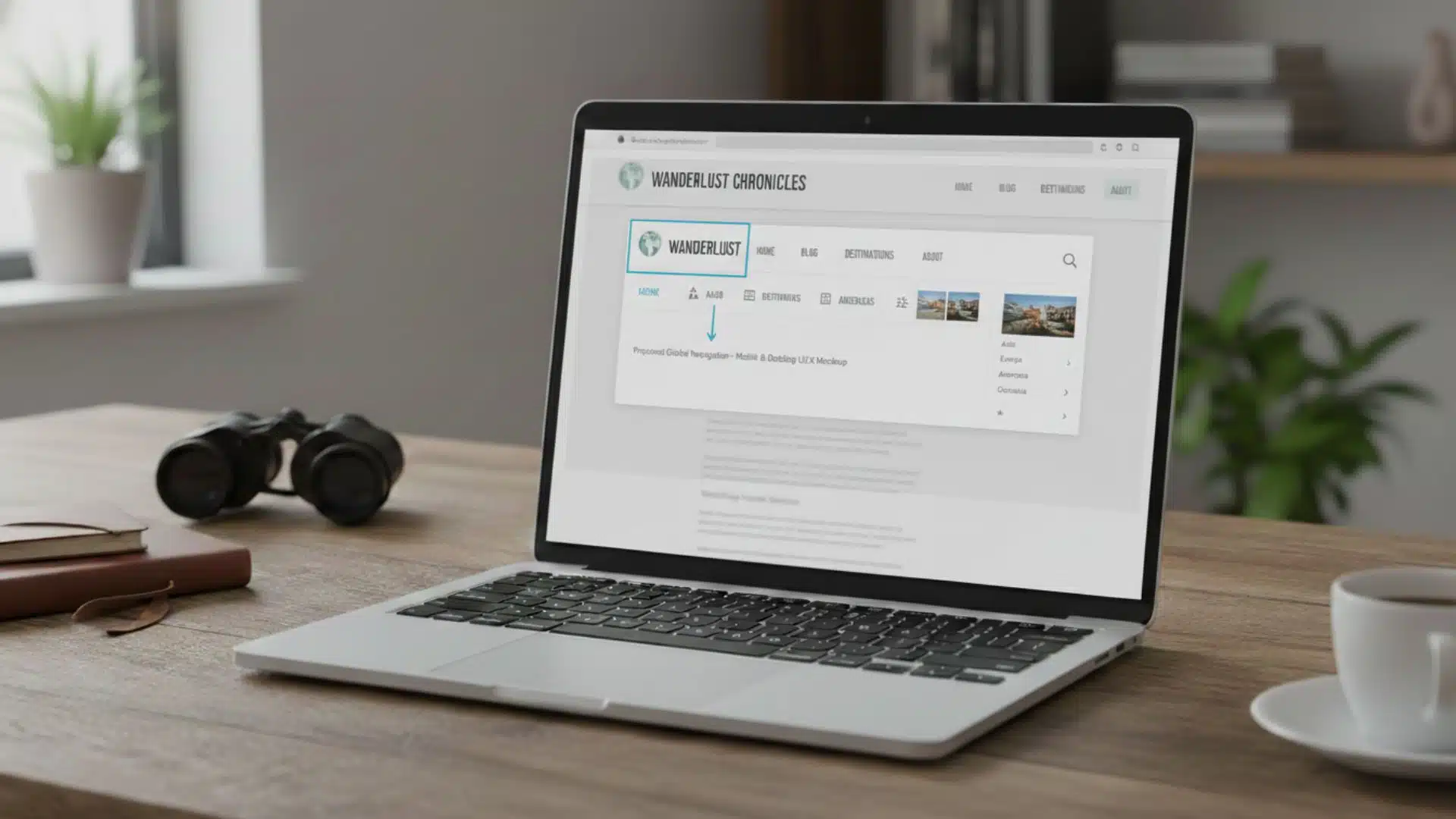
Clean navigation keeps visitors engaged and reduces bounce rates. Organize content into clear categories like destinations, travel tips, and itineraries.
Limit your main menu to 5-7 items maximum. Too many options overwhelm readers and hurt user experience.
Add a search bar for easy content discovery. Include internal links throughout posts to naturally guide readers to related articles.
SEO for Travel Blogs
Creating quality content is essential when you learn how to start a travel blog. Search engine optimization ensures your posts reach the right audience organically.
Start with keyword research to understand what travelers are searching for. Tools like Google Keyword Planner and Ubersuggest reveal popular travel queries and search volumes.
Write comprehensive guides that answer specific traveler questions. Cover topics deeply rather than creating shallow content about multiple destinations.
Structure your posts with clear headings and subheadings. This improves readability and helps search engines understand your content hierarchy.
Include relevant internal links to other blog posts. External links to authoritative sources boost your credibility and EEAT signals.
Optimize your images with descriptive alt text and compressed file sizes. Fast-loading pages improve user experience and search rankings.
Focus on the search intent behind each query. Provide the exact information travelers need at each stage of their journey.
Update old content regularly to keep it fresh. Search engines favor websites that consistently provide current and accurate information.
Promotion & Audience Growth for Your Travel Site
Creating great content is only half the battle when you learn how to start a travel blog. Promotion determines whether your stories reach the right audience or remain invisible online.
Many beginners focus solely on writing without building distribution channels. This approach leads to frustration as traffic remains stagnant despite quality content.
Strategic promotion amplifies your reach across multiple platforms. Social media, email marketing, and community engagement work together to grow your readership consistently.
Building an audience takes time and intentional effort. You need systems for sharing content, connecting with fellow travelers, and establishing your authority in the travel space.
The most successful travel bloggers treat promotion as seriously as content creation. They understand that visibility drives opportunities for partnerships, income, and meaningful connections.
Innovative promotion strategies compound over time. Early efforts in audience building create momentum that accelerates your blog’s growth exponentially.
How to Monetize Your Travel Site?
Affiliate marketing earns commissions by recommending products like travel gear or booking platforms.
Display advertising through networks like Google AdSense or Mediavine generates passive income from page views.
Sponsored content involves partnerships where brands pay you to feature their products or destinations.
Digital products like ebooks, photography presets, or travel planning templates provide scalable income.
Freelance travel writing for publications expands your reach and credibility. Coaching services help aspiring bloggers learn from your experience and expertise.
Brand ambassadorships create long-term relationships with travel companies. Diversifying income protects your business when individual streams fluctuate seasonally.
Conclusion
You now have a complete roadmap for successfully starting a travel blog. From choosing your niche to monetizing your content, each step builds toward creating a thriving online presence.
Starting feels intimidating, but taking that first action makes everything else easier. Register your domain, set up hosting, and publish your first post without waiting for perfection.
Your unique travel perspective deserves to be shared with the world. Authentic stories and helpful tips resonate more than polished corporate content ever could.
Remember that every successful travel blogger started exactly where you are now. They faced the same questions, doubts, and technical challenges you’re experiencing today.
The best time to launch your travel blog was yesterday. The second-best time is right now, so take action and begin your blogging journey today.
Leave a comment below sharing which destination you’ll write about first. We’d love to hear about your travel blogging plans and answer any questions you have!
Frequently Asked Questions
Do Travel Bloggers Make Money?
Yes, successful travel bloggers earn through affiliate marketing, sponsored posts, ads, and digital products. Income varies widely by traffic and monetization.
Can You Make $1000 a Month with A Blog?
Yes, achievable with 20,000-50,000 monthly visitors and diversified income streams including affiliates, ads, and sponsored content or products.
What Travel Niche Is Most Profitable?
Luxury travel, adventure tourism, family travel, and destination-specific guides generate the highest revenue through premium partnerships and affiliate commissions.