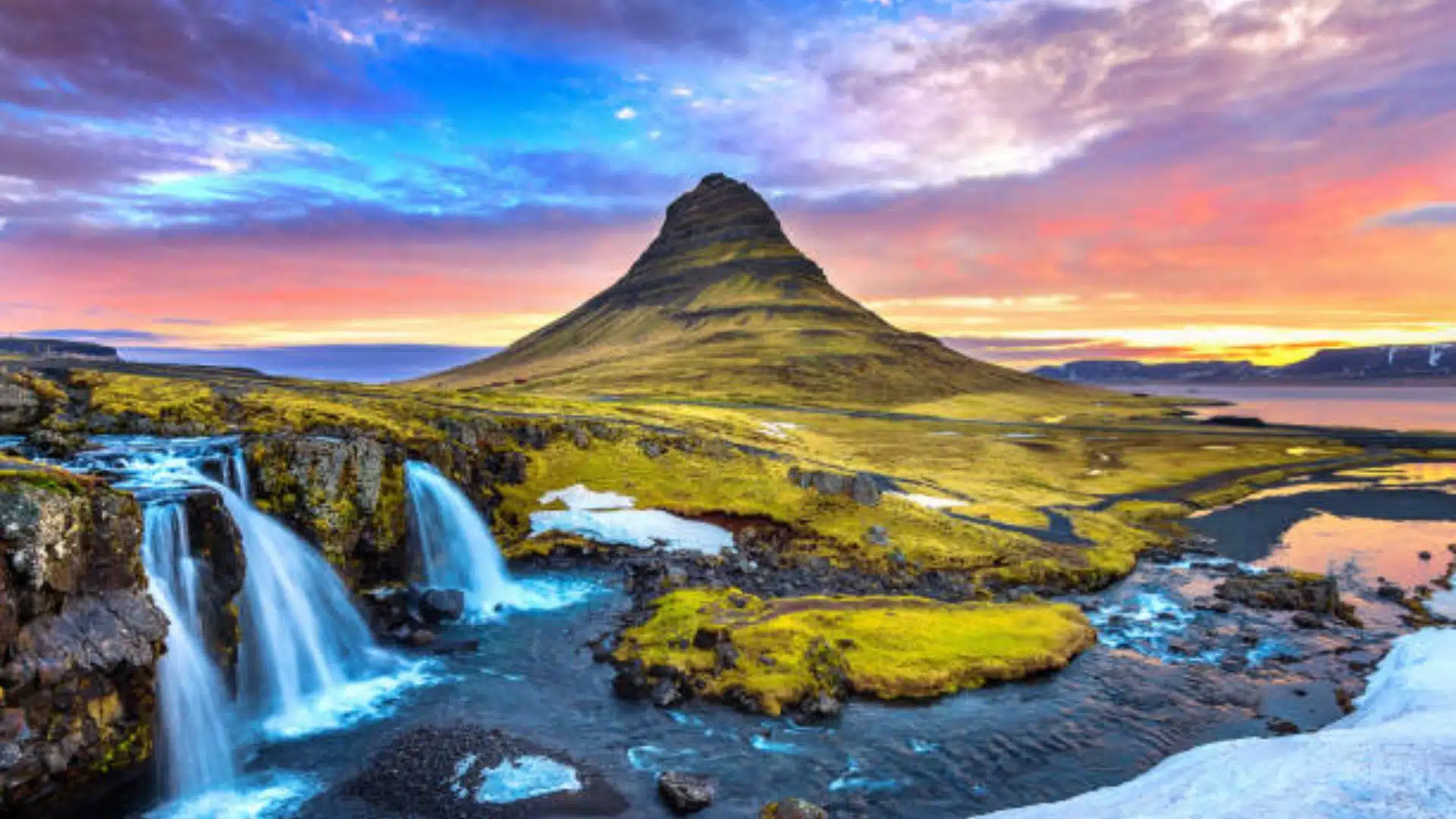
Iceland has become one of the world’s most sought-after travel destinations, from the dancing Northern Lights to powerful waterfalls like Gullfoss, this Nordic island nation offers experiences unlike anywhere else on Earth.
Dramatic glaciers meet black sand beaches while geysers erupt alongside steaming hot springs. The midnight sun bathes summer nights in golden light, and the rugged volcanic terrain.
This unique combination of natural wonders draws over two million visitors annually, making Iceland a bucket-list destination for adventurers and nature lovers alike.
However, one question consistently holds travelers back: Is Iceland expensive to visit? This guide examines the real costs of traveling to Iceland in 2026, helping you plan an unforgettable trip.
Is Iceland Expensive to Visit?
Yes, Iceland is expensive compared to most destinations. Budget travelers should expect to spend $120 to $150 per person per day, while mid-range visitors often budget $250 to $400 per day.
The high costs stem from Iceland’s remote island location. Most goods are imported, and the country’s small population drives up service prices.
Travel experts from multiple rental agencies confirm that Iceland ranks among Europe’s priciest destinations, comparable to Norway and Switzerland.
For first-time travelers, understanding these costs upfront prevents sticker shock. Families need to plan carefully, as expenses multiply quickly with more people.
Budget travelers can still visit Iceland successfully by making smart choices about accommodation and meals.
Your main expenses will include car rentals, fuel, accommodation, and food. Transportation typically consumes 30 to 45% of your budget, while lodging takes another 30 to 40%.
The good news is that many natural attractions, such as waterfalls and glaciers, remain free to visit. Parking fees of $3 to $9 are usually your only cost at these stunning sites.
Why Iceland Costs So Much?

Source: Pixabay
Iceland’s geographic isolation plays the biggest role in high prices. The island sits in the North Atlantic, far from major supply chains.
Around 80% of consumer goods must be imported, adding significant shipping and logistics costs.
The country maintains high wages and an excellent standard of living. Workers earn competitive salaries, which in turn translate into higher service costs for visitors.
Restaurant staff, hotel workers, and tour guides all receive fair compensation that meets Iceland’s living standards.
Agricultural production remains severely limited due to harsh weather and volcanic soil. Fresh produce and most food items arrive from mainland Europe.
Travel industry sources report that grocery prices run 40% to 50% higher than Western European averages.
Seasonal demand creates dramatic price swings throughout the year. The summer months from June to August see prices double compared to winter.
The upcoming August 2026 solar eclipse will push costs even higher during that period.
Government taxes on imported goods and tourism services add another layer of expense. VAT and environmental fees apply to most purchases.
Fuel taxes make gasoline among the world’s most expensive at roughly $9 per gallon.
Average Costs Travelers Should Expect

Source: iStock
Here’s a detailed breakdown of what you’ll actually spend in Iceland based on current 2026 data from rental agencies and travel industry sources.
| Expense Category | Budget Range | Mid-Range | Luxury |
|---|---|---|---|
| Accommodation (per night) | $40-60 (hostels/camping) | $82-150 (hotels/guesthouses) | $200-400+ (premium hotels) |
| Meals (per day) | $25-40 (grocery shopping) | $50-80 (mix of restaurants) | $100-150+ (dining out) |
| Car Rental (per day) | $60-100 (economy 2WD) | $110-160 (standard SUV) | $200-300+ (4×4 premium) |
| Fuel (Ring Road trip) | $300-400 (full circuit) | $350-450 (with detours) | $400-500+ (extensive travel) |
| Activities/Tours | $0-50 (free attractions) | $120-200 (paid tours) | $300-500+ (private experiences) |
| Daily Total (per person) | $120-150 | $250-400 | $460-700+ |
Best Time to Visit (Cost + Comfort)

Source: iStock
Your travel dates dramatically impact what you’ll spend in Iceland. Understanding seasonal pricing helps you balance cost savings with weather comfort.
Peak season runs from June through August with the highest prices across all categories. Flights, hotels, and car rentals can cost double compared to winter months.
However, you’ll enjoy mild weather ranging from 50 to 59°F, experience the magical 24-hour daylight for extended sightseeing, and find all roads remain accessible without needing specialized vehicles.
Industry experts from multiple car rental agencies note that August 2026 presents unique challenges due to the total solar eclipse on August 12th, with extreme demand and limited availability expected.
Travelers planning visits during eclipse week should book accommodations, flights, and rental cars 6 to 12 months in advance to secure any availability at all.
Shoulder seasons in May and September offer the sweet spot for many travelers. Prices drop 20 to 30% below summer rates while weather stays relatively pleasant.
Off-season from October through April delivers the lowest costs, often 30 to 50% cheaper than summer. Flights from North America can drop to $300 to $600 round trip.
The trade-off includes shorter daylight hours, cold temperatures, and mandatory 4×4 vehicles for safety on icy roads.
Northern Lights viewing peaks from September through March during darker months. The midnight sun experience happens May through August when Iceland never gets truly dark.
Value of Iceland; Is It Worth the Cost?

Source: Adobestock
Most travelers agree that Iceland delivers exceptional value despite higher prices. The country offers landscapes found nowhere else on Earth.
You’ll witness massive glaciers, active volcanoes, thundering waterfalls, and erupting geysers all in one trip. Black sand beaches stretch alongside ice caves and geothermal hot springs.
These natural wonders create unforgettable experiences that justify the expense for most visitors.
Iceland leads Europe in sustainability and eco-tourism practices. The entire country runs on renewable energy from geothermal and hydroelectric sources.
Tourism operators follow strict environmental guidelines to protect fragile ecosystems. This commitment to preservation ensures future generations can enjoy these landscapes.
Cultural experiences add depth beyond natural attractions. Viking heritage sites, traditional cuisine, and local communities welcome visitors authentically.
The midnight sun in summer and Northern Lights in winter provide phenomena impossible to replicate elsewhere.
The consensus is clear: if you can afford the trip, Iceland rarely disappoints. Many visitors return multiple times despite knowing the costs.
The key is planning ahead and setting realistic budgets for your travel style.
Tips for First-Time Visitors

Source: iStock
Book your accommodations and car rentals 6 to 12 months ahead for summer travel. August 2026 requires even earlier booking due to the solar eclipse bringing massive crowds.
Tours and activities can be reserved 2 to 3 months in advance for most periods.
Iceland’s weather changes rapidly, even in summer. Always check road conditions at road.is before driving. Never venture onto closed roads or restricted areas.
The terrain can be deceptively dangerous with hidden crevasses and unstable ground near geothermal areas.
Pack thermal layers, waterproof jackets, and sturdy waterproof hiking boots. These items cost 30 to 50% more if purchased locally.
Bring a reusable water bottle since tap water is excellent and free everywhere. Power adapters for European outlets (Type C or F) are essential.
Respect Iceland’s fragile environment by staying on marked paths. Never drive off-road as it damages moss that takes decades to regrow.
The country operates almost entirely cashless, so credit cards work everywhere. Icelanders value politeness and environmental consciousness.
Follow all posted signs at natural attractions and pack out everything you bring in.
Conclusion
Iceland’s reputation as an expensive destination is well-earned, but smart planning makes it accessible for various budgets.
The key lies in understanding where your money goes and making strategic choices about accommodation, transportation, and dining.
Travel during shoulder seasons like May or September to enjoy lower prices and fewer crowds. Mix restaurant meals with grocery shopping.
Prioritize free natural attractions, and book everything well in advance. Despite higher costs, Iceland consistently ranks among travelers’ most rewarding destinations.
The unique combination of glaciers, volcanoes, waterfalls, and cultural experiences creates memories that transcend the price tag.
With proper budgeting and realistic expectations, your Icelandic adventure can become reality. Start planning today, and prepare for a journey that truly lives up to the hype.
Ready to visit Iceland? Tell us some of the places you’re most excited to see in the comments below!
Frequently Asked Questions
How Much Money Should I Take to Iceland for 5 Days?
Budget travelers need $600 to $750 for five days. Mid-range visitors should plan $1,250 to $2,000 per person excluding flights.
Is Iceland More Expensive to Visit than Switzerland?
Iceland and Switzerland have comparable costs. Switzerland is slightly more expensive overall, but Iceland’s accommodation and food prices are similarly high.
Why Is Mc Donald’s No Longer in Iceland?
McDonald’s left Iceland in 2009 due to high import costs making operations unprofitable during the financial crisis. No plans for return.
What Are the Hidden Costs in Iceland?
Parking fees, gravel protection insurance for rentals, expensive fuel, grocery bag charges, and higher prices in remote areas are common hidden expenses.